Pagano C, Savaresce B, Coppola L, Navarra G, Avilia G, Laezza C, et al
The antioxidants that can pass through the blood barrier surrounding our brains are responsible for repairing and detoxifying our brains
However, there are several tests that can help to confirm a diagnosis, including: Blood tests to measure levels of glutathione and other markers of liver function Genetic testing to look for mutations in the GSS gene Imaging tests, such as an ultrasound or MRI, to look for liver abnormalities If you suspect that you or a loved one may have glutathione synthetase deficiency, it is important to speak with a genetic counselor or other medical professional who can help guide you through the diagnostic process
ISBN 978-1-78161-004-6
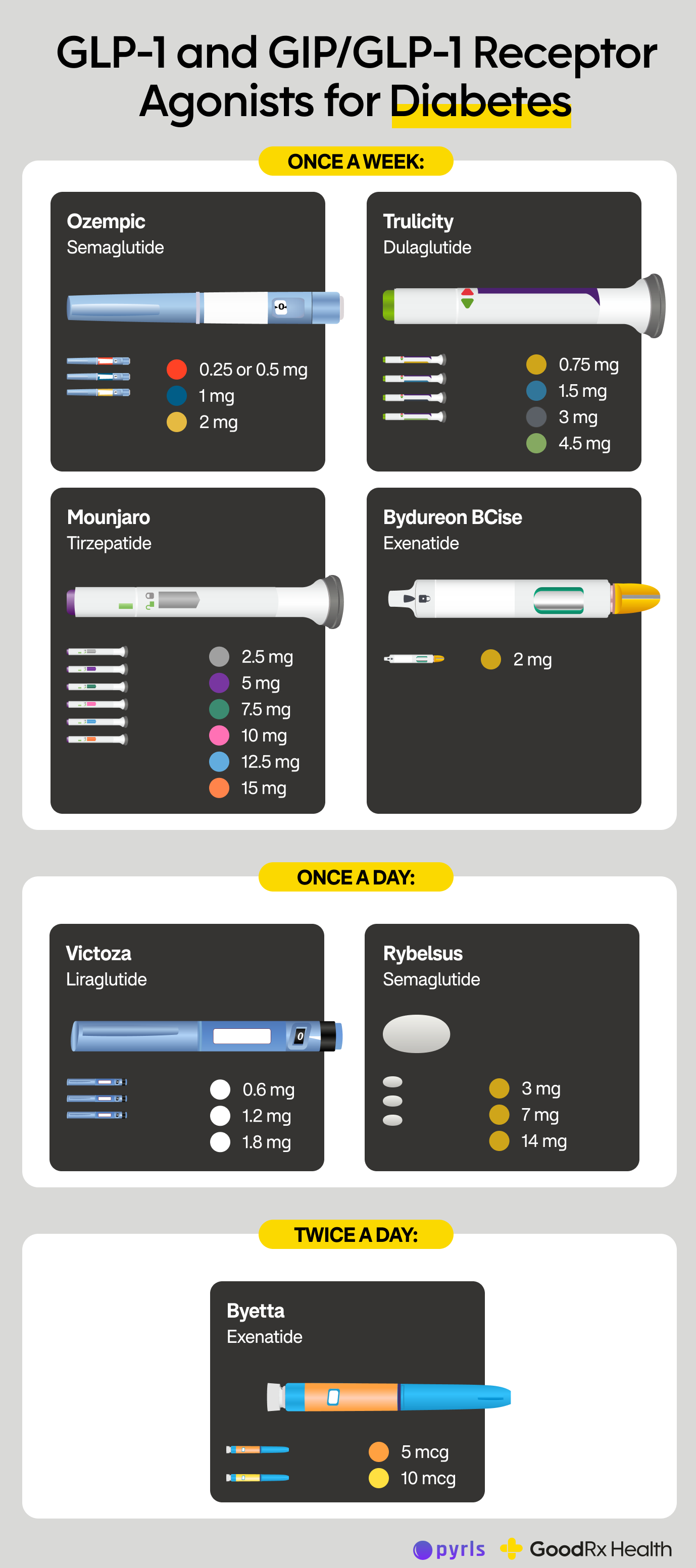
The most frequent gastrointestinal side effects include: Nausea and vomiting : Very common, typically most pronounced during dose escalation Diarrhoea : Common to very common, though usually mild to moderate Constipation : Can occur due to delayed gastric emptying and reduced gut motility Abdominal pain and discomfort : Common Dyspepsia and gastro-oesophageal reflux : May worsen in susceptible individuals Other important adverse effects include: Gallbladder disorders : Cholelithiasis and cholecystitis have been reported, particularly with weight loss Dehydration and acute kidney injury : May occur secondary to severe gastrointestinal symptoms Hypoglycaemia : Risk increases when used with insulin or sulfonylureas, which may require dose adjustment Current limited evidence does not suggest an increased risk of inflammatory bowel disease (IBD) flares with GLP-1 agonists, though more data are needed





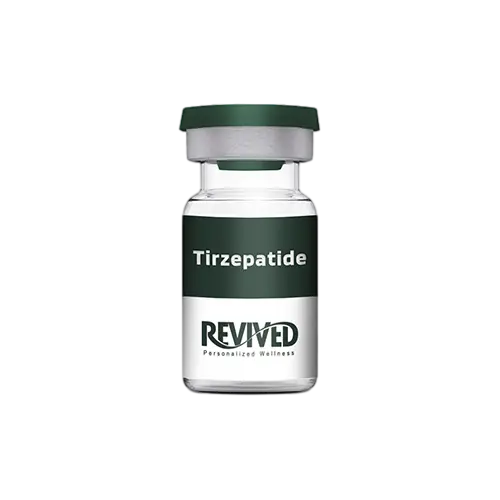





:max_bytes(150000):strip_icc()/VWH-GettyImages-2126120259-c2442d334436484baa255439265b7fb1.jpg)

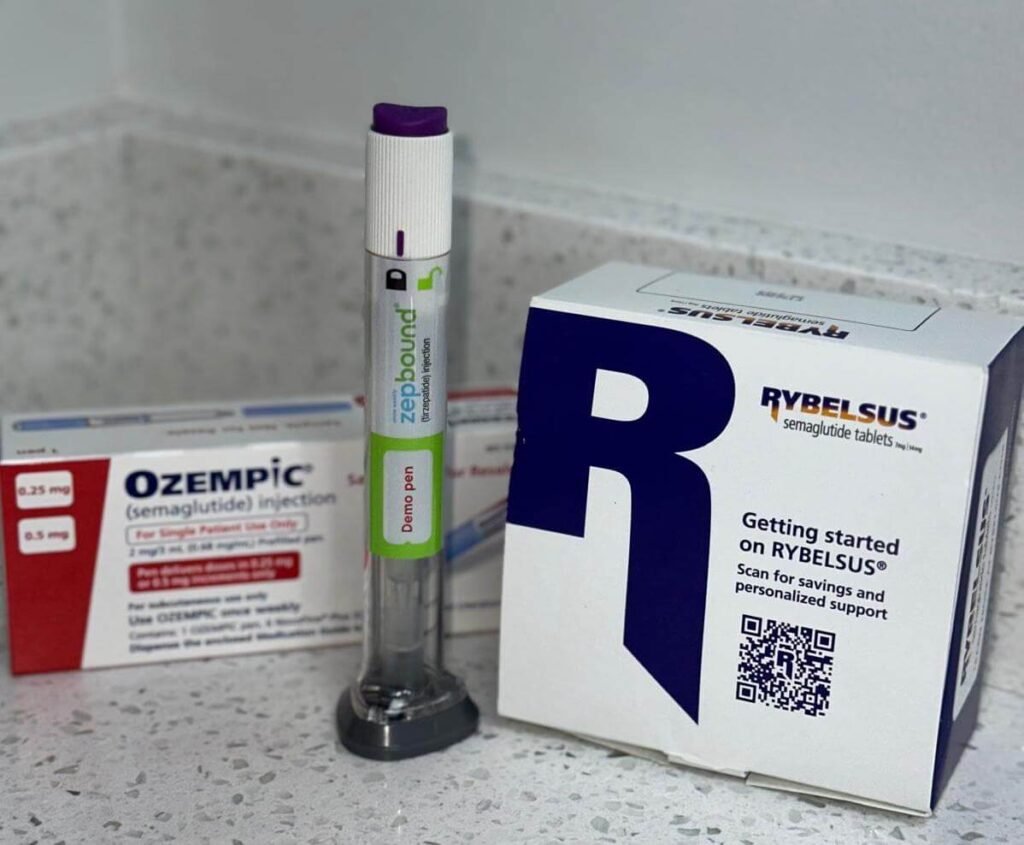
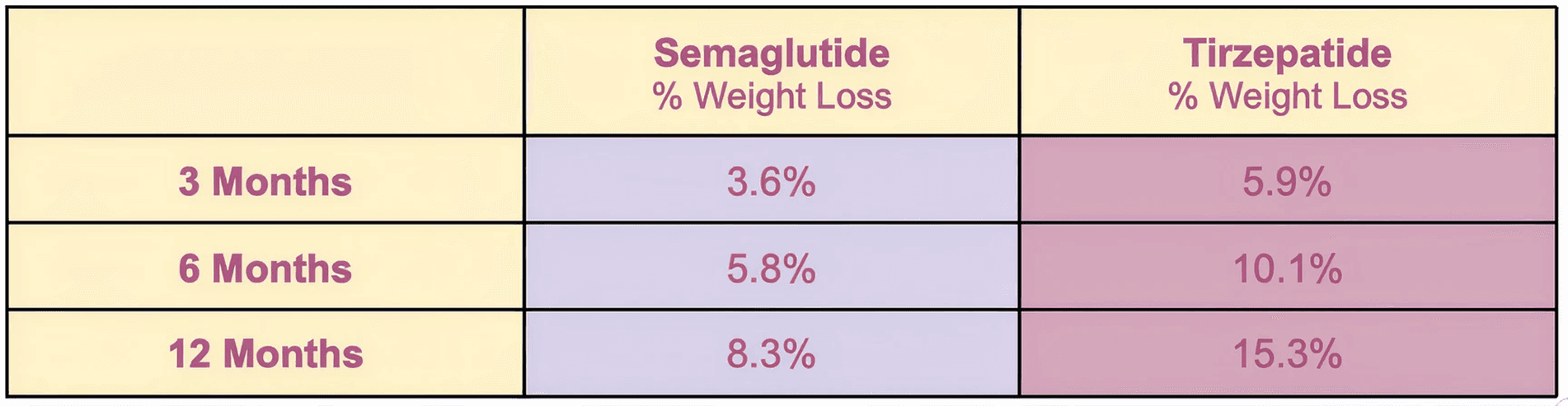




![Fabricate [Core Set 2010] [Foil] Unstable Foil](https://cdn.shopify.com/s/files/1/0746/1198/2548/files/5714fb36-5416-58b4-becb-4c3ba9fbc038_c1199045-67ca-4ebe-b1fd-601f9388ed6b.jpg?v=1749718213)


