No needles, no refrigeration, no sharps containers
Photo 2: "What B12-tinted semaglutide looks like." A 5 mL vial of B12-supplemented compounded semaglutide showing the characteristic ruby-red color
While serious side effects are rare, contact Medical Specialists immediately if you experience: Severe or persistent nausea lasting more than 6 hours Significant blood pressure changes Severe headache or dizziness Any allergic reactions Important Note: Clinical studies show that only 8.1% of trial participants discontinued PT-141 due to side effects, indicating most patients find the benefits outweigh temporary discomfort
The usual fix is to lower concentration by adding more diluent or switch to a syringe that gives better practical readability for the same U-100 standard
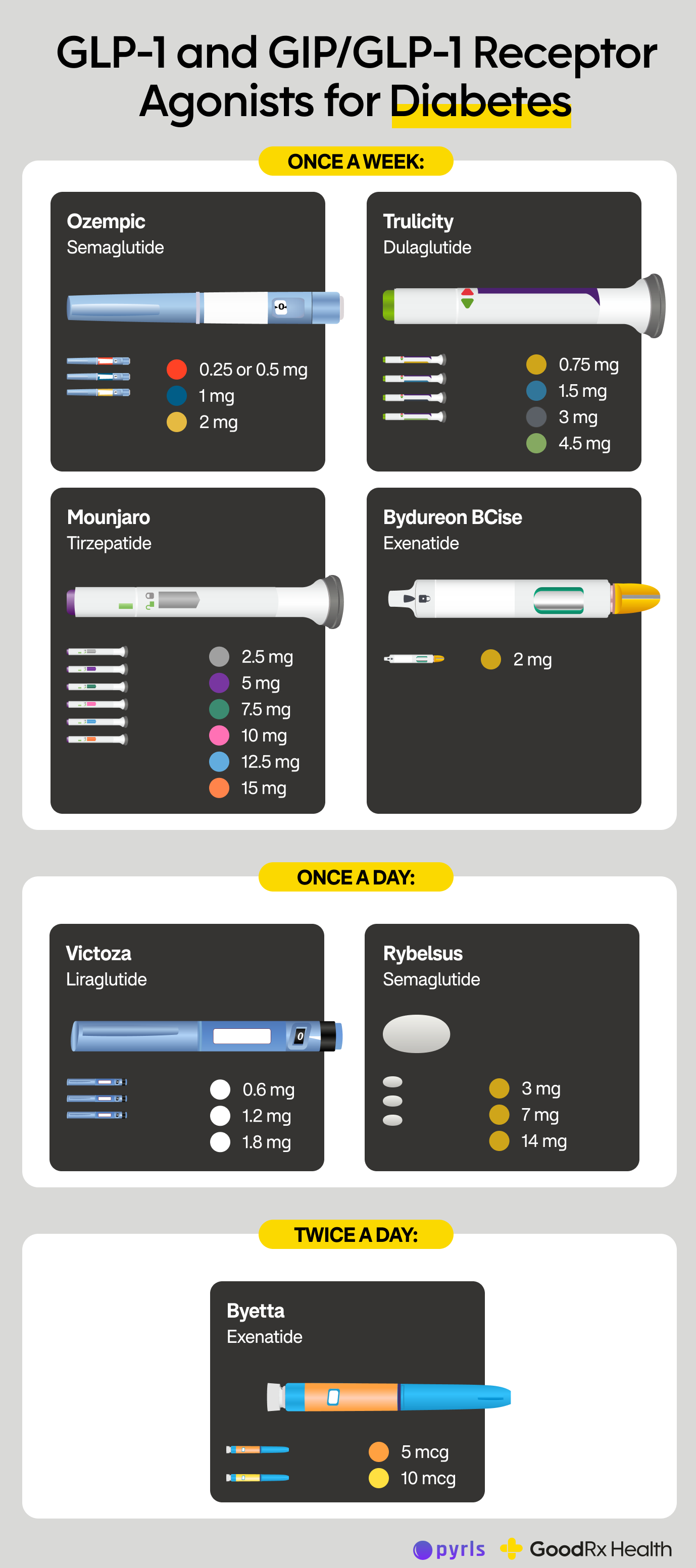
Patient-specific factors that influence choice include: Concurrent diabetes : Patients with type 2 diabetes may have broader access through NHS prescribing pathways BMI and weight loss goals : Higher BMI patients may benefit from agents with greater weight loss efficacy Tolerability : Previous experience with gastrointestinal side effects may guide selection Injection preference : Some patients strongly prefer weekly over daily injections, or oral over injectable formulations Cardiovascular disease : Certain GLP-1 agonists have proven cardiovascular benefits, which may be relevant for high-risk patients Ultimately, the choice should be individualised through shared decision-making between patient and clinician, considering the available evidence, licensed indications, local prescribing policies, and patient preferences