But for longer protocols or higher doses, periodic rest reduces cumulative copper exposure to near zero
They should confidently guide customers toward suitable dishes, be comfortable with requests for smaller portions or early takeout boxes, and understand that these diners are eating more purposefully than before.
Certain factors may increase the likelihood of experiencing bloating on GLP-1 therapy, including: Pre-existing gastrointestinal conditions such as irritable bowel syndrome (IBS), functional dyspepsia, or small intestinal bacterial overgrowth (SIBO) Rapid dose escalation without adequate titration periods Dietary factors , particularly high intake of fermentable carbohydrates (FODMAPs), fatty foods, or carbonated beverages Concurrent medications that affect gastrointestinal motility Patients should be aware that GLP-1 receptor agonists have been associated with more serious gastrointestinal adverse effects, including pancreatitis (inflammation of the pancreas) and gallbladder disease
This shift signals a growing preference for dual GLP-1/GIP agonists like tirzepatide, reshaping the future of metabolic treatments
By reducing melanin production and fighting free radicals, it often leads to brighter, more even-toned skin that radiates health

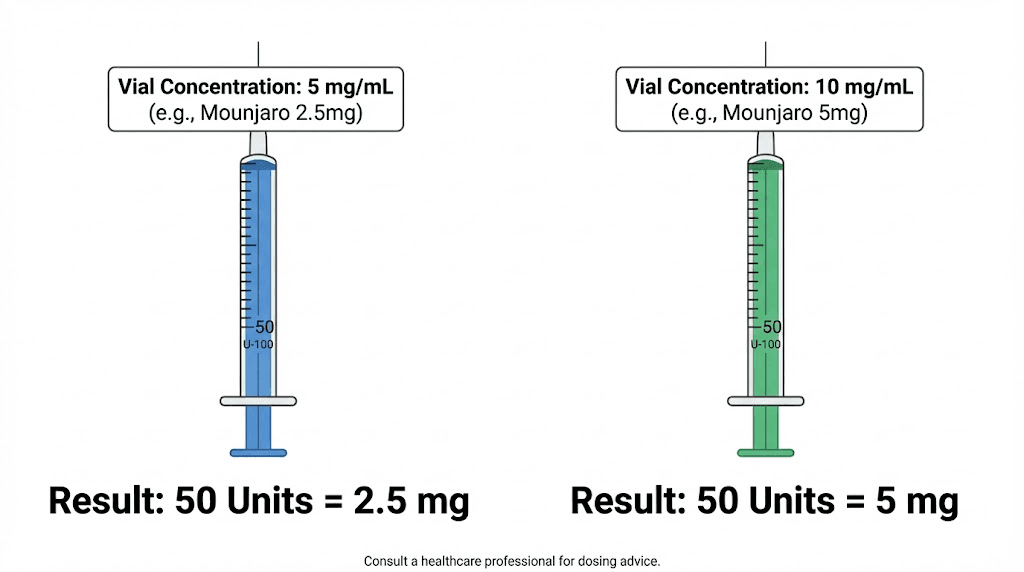





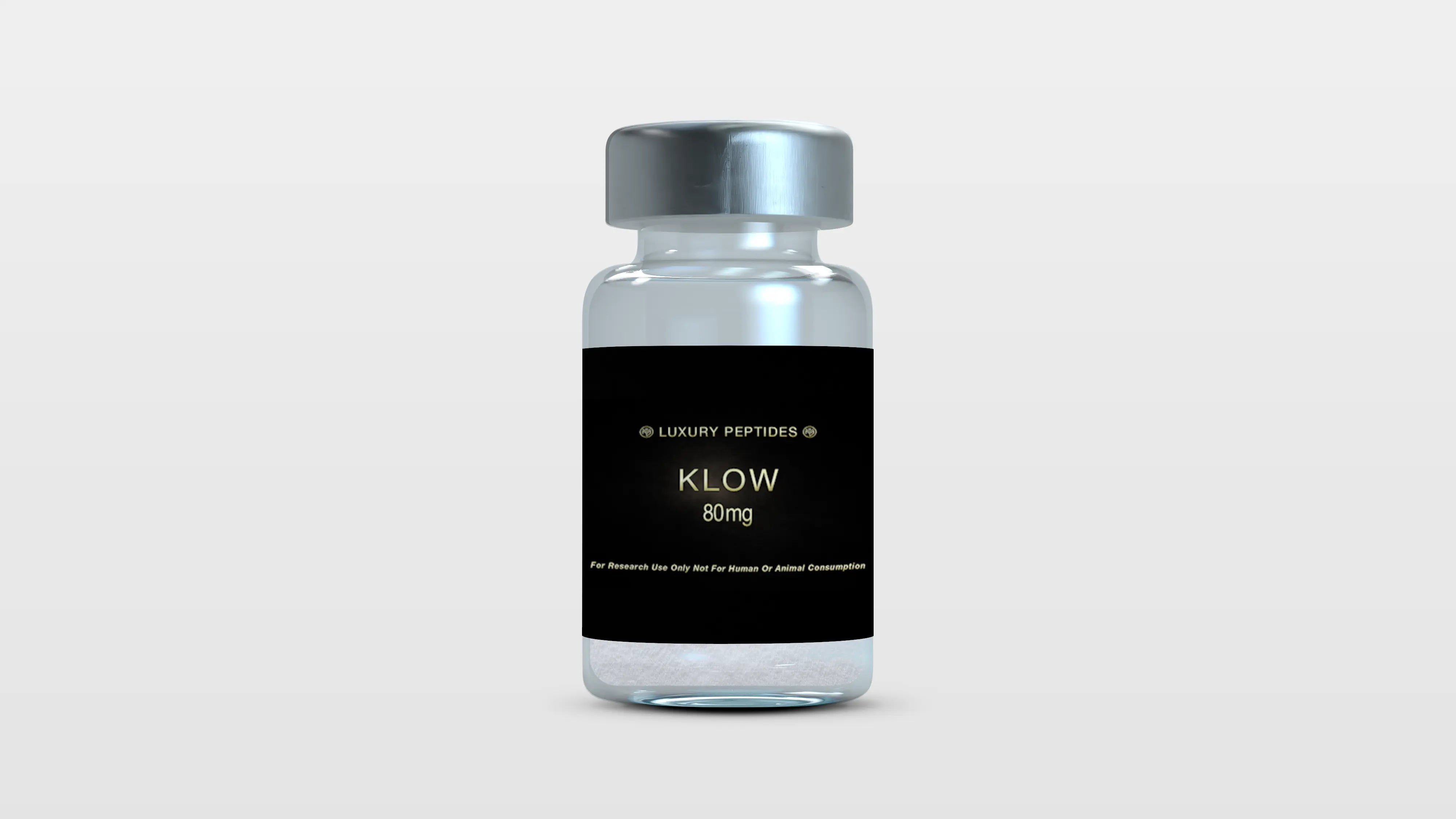

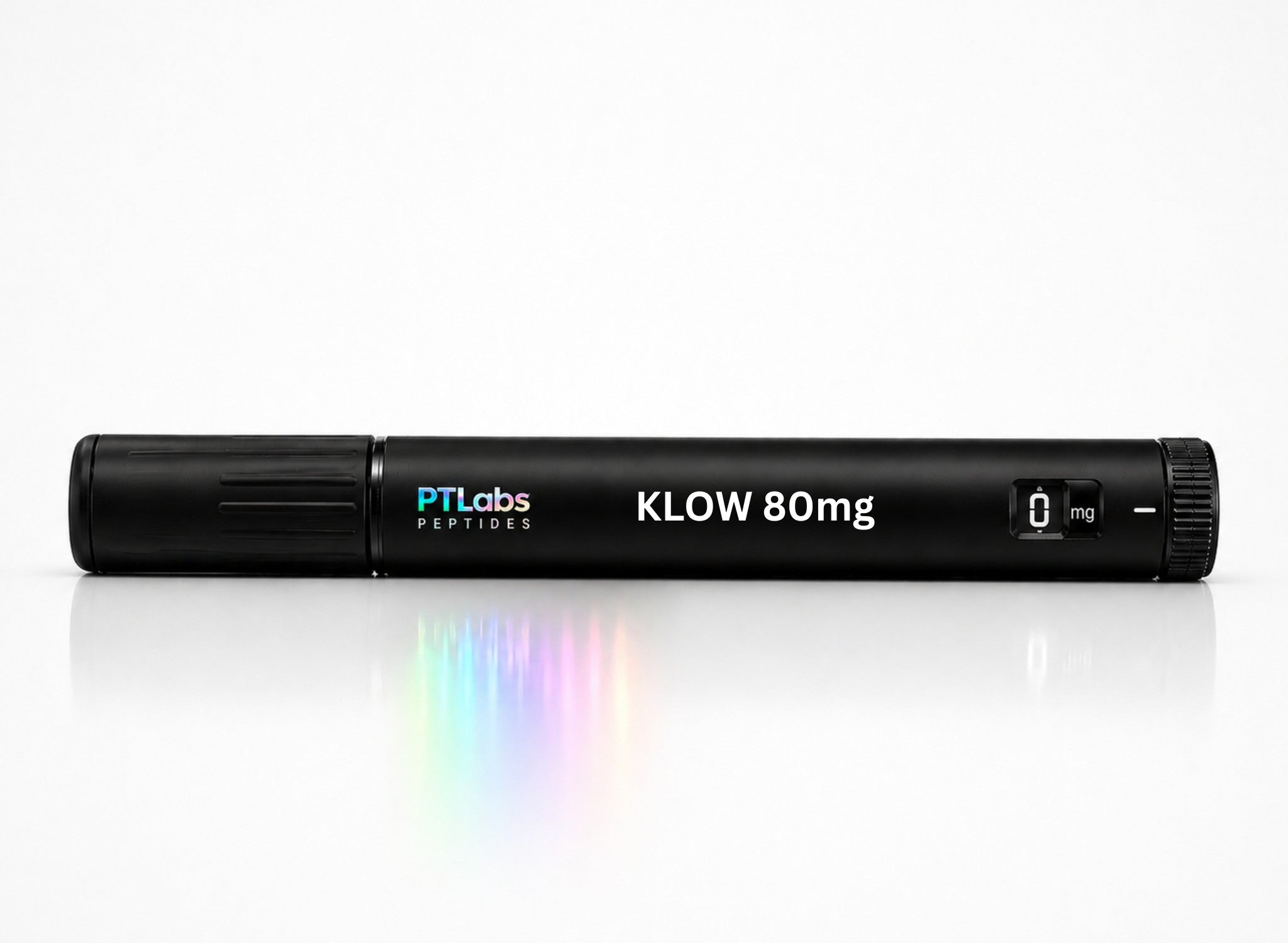
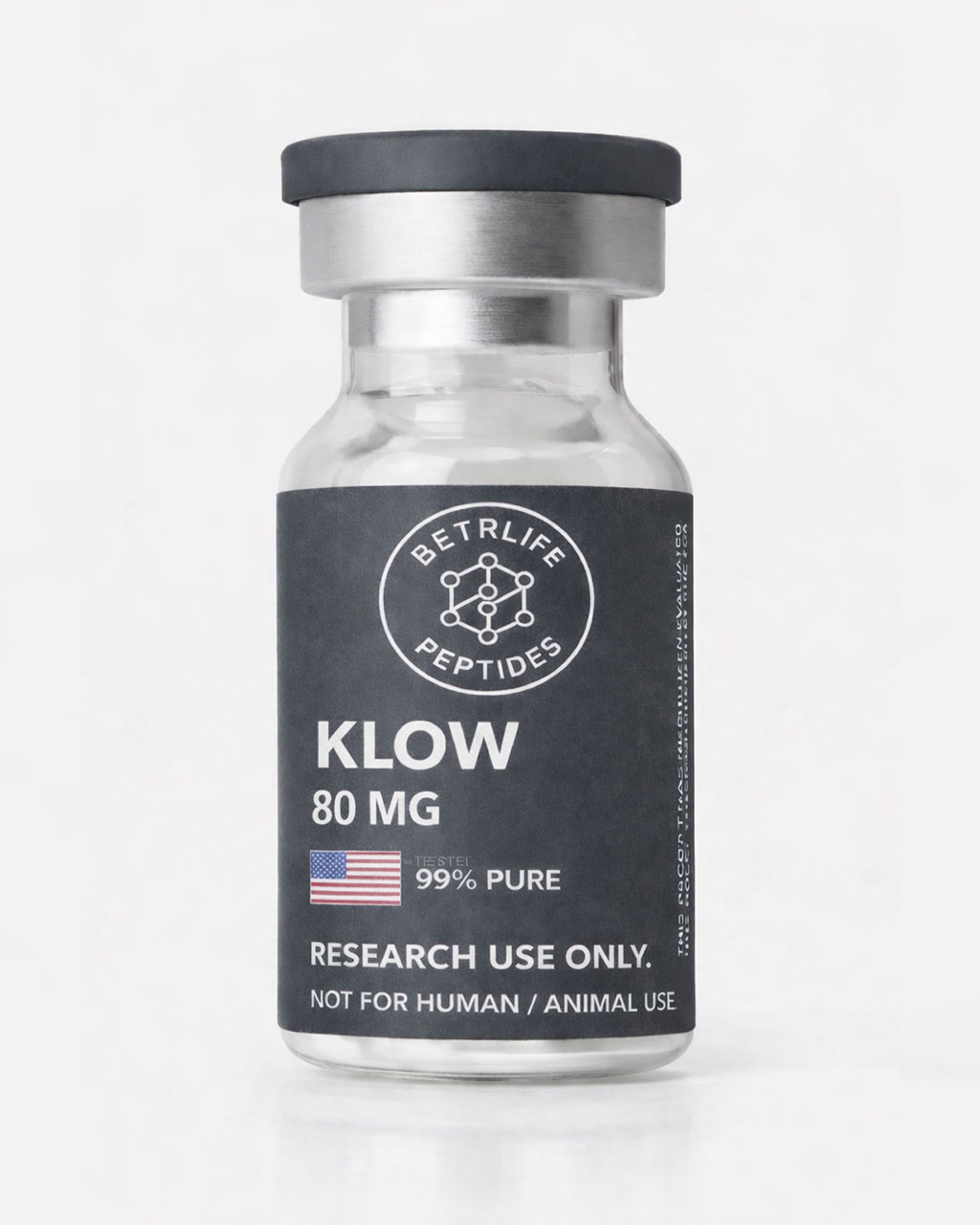

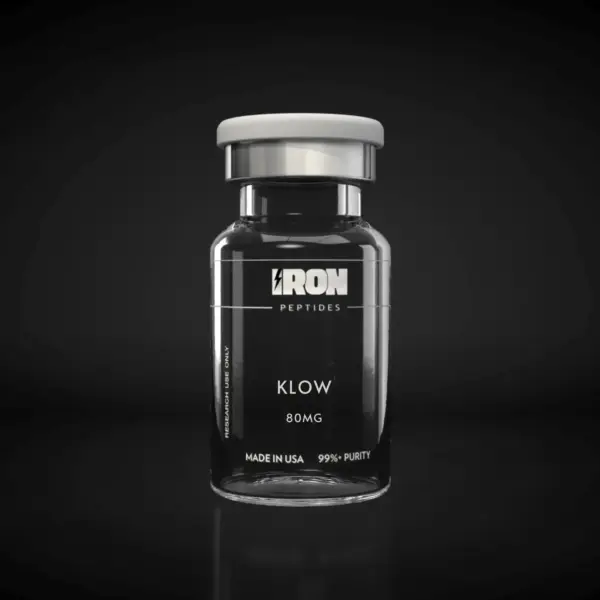


![KLOW [80MG] – Legionary Peptides](https://legionarypeptides.com/wp-content/uploads/2026/02/klow80_peptide.jpg)