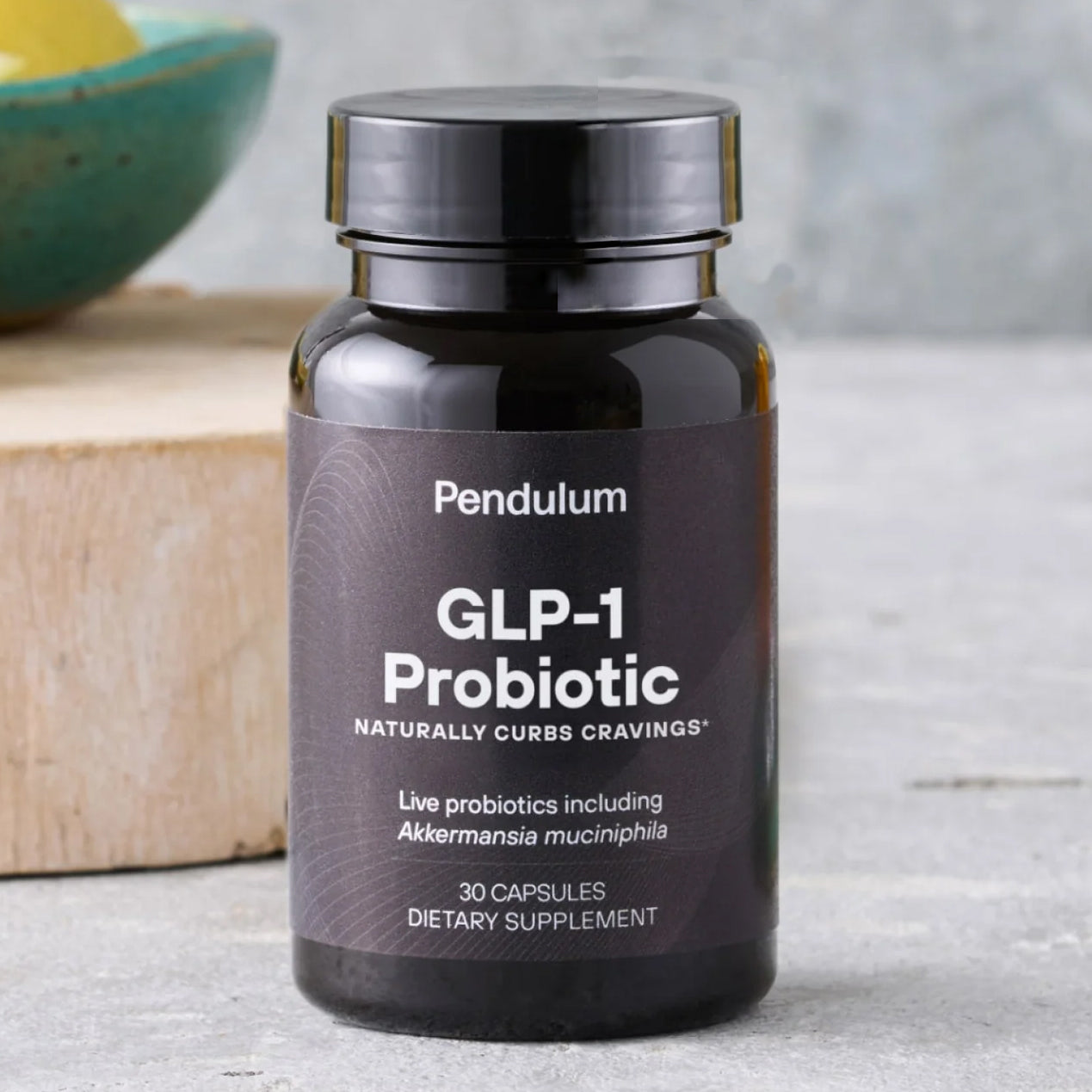
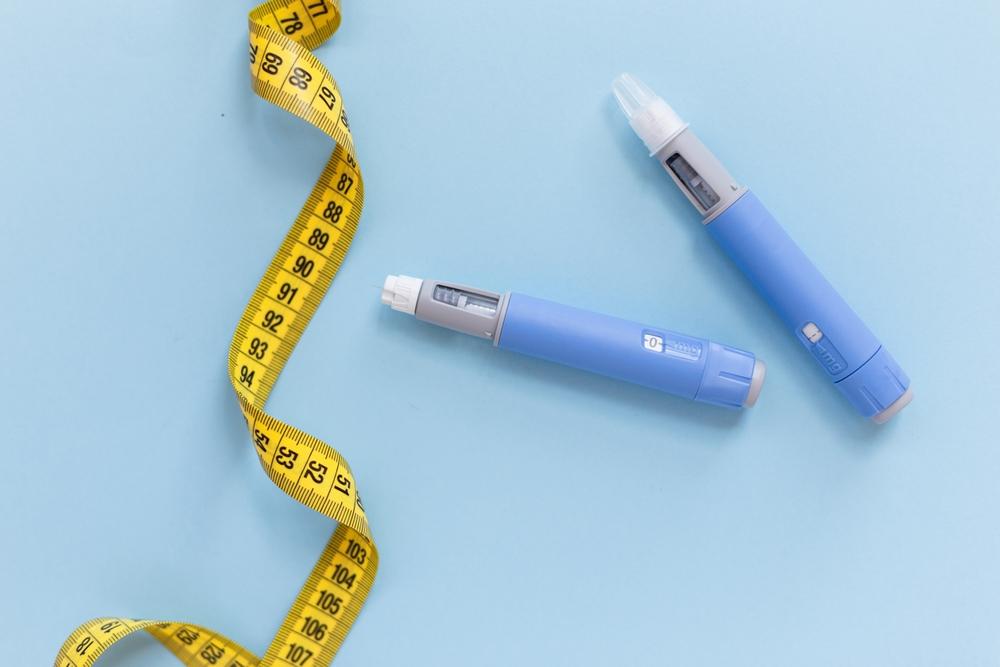
If we assume that all 3.3m GLP-1 receptor agonist users are also sugar super-users, and that being on GLP-1 receptor agonist drugs results in a 30% decrease in sugar intake, this would result in a loss 80 thousand tonnes of sugar consumption in the UK as a result of these drugs
NSAIDS, Aminoglycosides), acute tubular necrosis, glomerulonephritis Post-renal: Obstruction to urine flow - back pressure results in kidney damage Causes: Enlarged prostate, kidney stones, tumours Complications of AKI: - Fluid overload = pulmonary oedema - Hyperkalaemia = cardiac arrhythmias - Metabolic acidosis - Uraemia = confusion, seizures - Progression to chronic kidney disease if not resolved To view or add a comment, sign in Aspirin + Anticoagulation in Chronic Coronary Syndrome Time to Rethink the Combo Recent evidence from the AQUATIC trial challenges a long-standing practice: In patients with chronic coronary syndrome who are already on oral anticoagulation, adding aspirin did not provide cardiovascular benefit but significantly increased major bleeding and even all-cause mortality
Dark eyes circles, dark joints, uneventone areas & dark skin treatment
Initial results may be seen after 24 weeks, with full results after 68 weeks after multiple treatment sessions
Protein intake is very important, as these people can lose a significant amount of weight on the medications. Baked foods like protein pancakes or protein muffins can be really helpful for people to get more protein without eating a particularly large meal, Degurse said, adding that she also recommends GLP-1 users reduce fat intake and increase fiber consumption












.png)