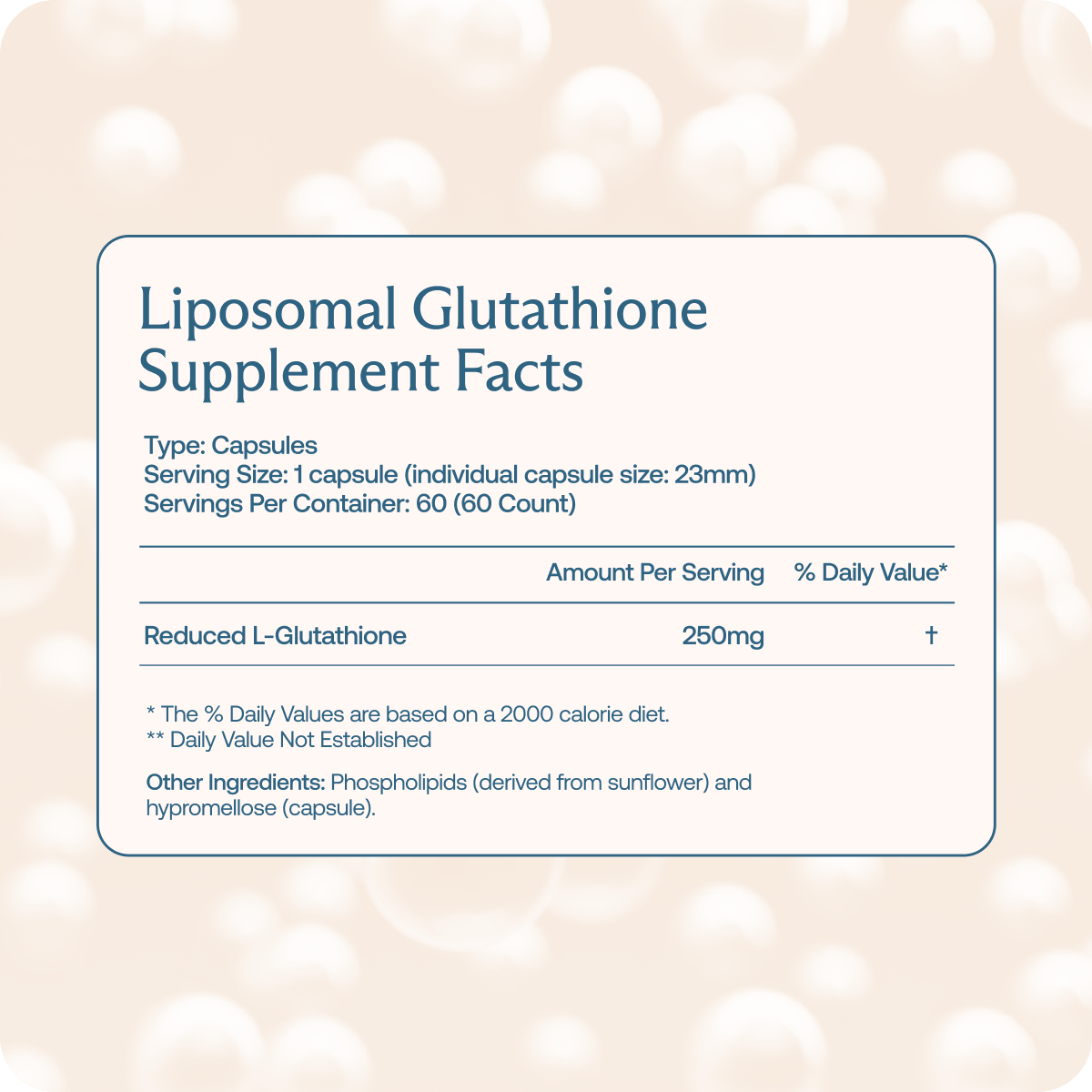
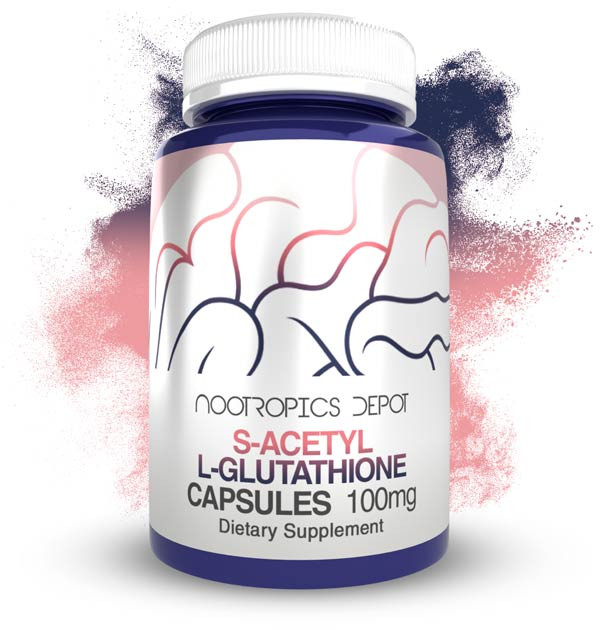
Baseline Labs supplies bacteriostatic water produced under strict sterile manufacturing conditions to ensure quality and reliability
But side effects, including nausea, vomiting, diarrhea and constipation, affect roughly 50% to 60% of patients, typically diminishing over time, according to Science Direct
KLOW peptide blend for research The Shared Core: What Both GLOW and KLOW Have in Common Both blends typically contain a core trio of widely discussed peptides: 1) GHK-Cu (Copper Peptide) Researched in relation to: collagen and ECM signaling skin structure pathways antioxidant activity models GHK-Cu copper peptide for research 2) BPC-157 Researched in relation to: tissue-support signaling frameworks vascular response pathways inflammation-related pathway models BPC-157 peptide for research 3) TB-500 Researched in relation to: cellular migration tissue remodeling environments recovery signaling pathways The Key Difference: KPV (What Makes KLOW Unique) The defining difference between KLOW vs GLOW is typically KPV
While some peptides are FDA-approved for specific medical uses, including GLP-1 prescription medications like Ozempic, peptides sold online and promoted on social media are not FDA-approved for over-the-counter use
But even paying $2,000 out of pocket would still be beyond the reach of many people with Medicare who live on modest incomes








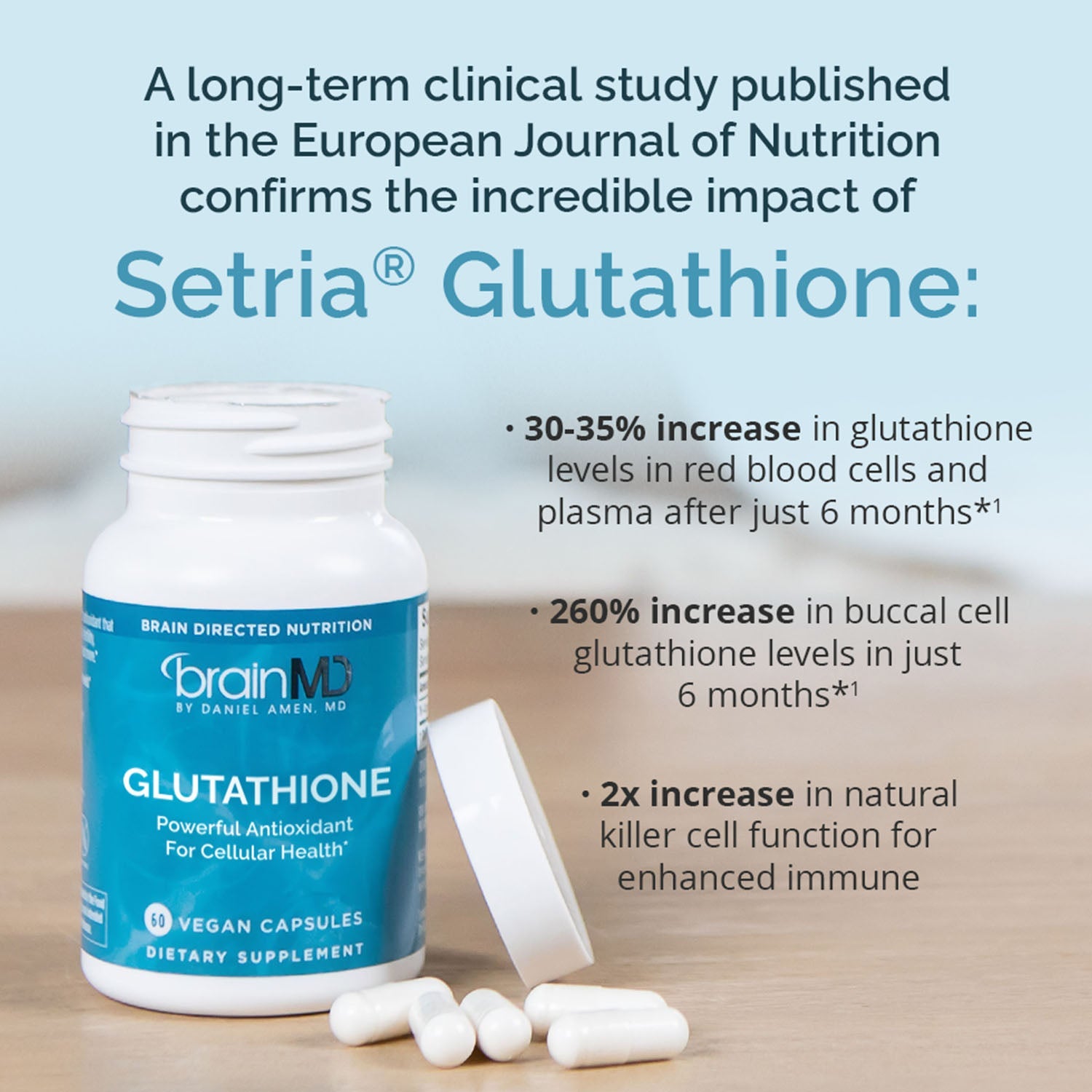
:max_bytes(150000):strip_icc()/benefits-of-glutathione-89457_final-01-502464fe91b2444285b0cccf8cb0a33c.png)