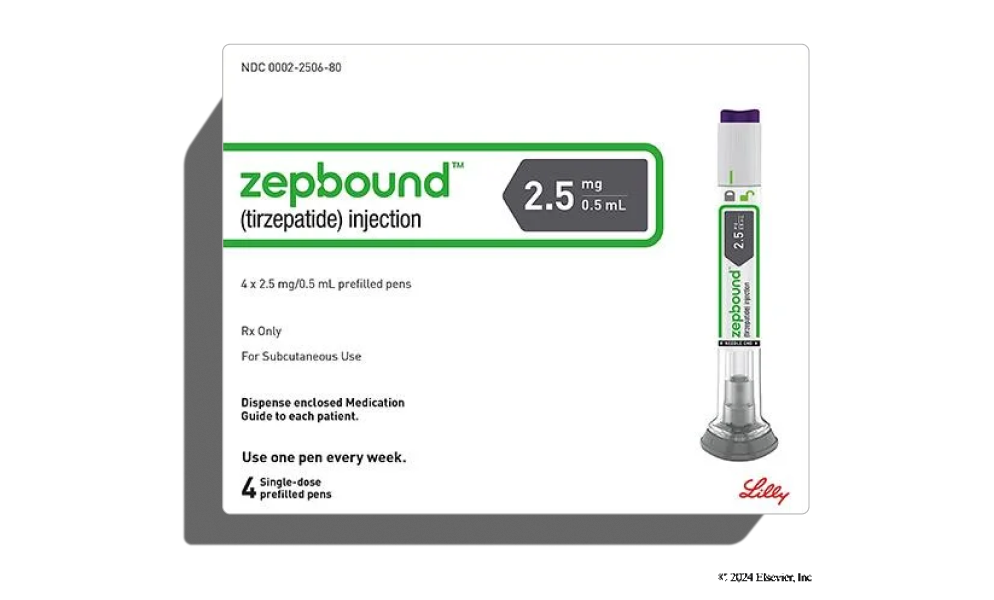
Key Takeaways Cagrilintide is a long-acting amylin analogue typically dosed at 2.4 mg weekly in clinical trials, working through distinct pathways from GLP-1 receptor agonists Tirzepatide follows a gradual escalation protocol from 2.5 mg to 15 mg weekly as a dual GIP/GLP-1 receptor agonist No approved combination of cagrilintide with tirzepatide currently exists, though the concept represents theoretical triple-pathway metabolic modulation Gastrointestinal side effects require careful monitoring when considering any combination of these peptides due to overlapping mechanisms Clinical evidence for cagrilintide combinations exists primarily with semaglutide, showing 15-17% body weight reductions in phase 3 trials Understanding Cagrilintide: The Amylin Analogue Cagrilintide represents a breakthrough in amylin-based therapeutics, developed by Novo Nordisk as a long-acting analogue of the naturally occurring hormone amylin[1]

The bioavailability is high, but bioavailability is not the same as benefit
While both promote healing, their molecular targets, routes of administration, evidence bases, and practical applications differ substantially
If you dont, lets explore all about vitamin b12 overdose symptoms, risks, and steps to keep your B12 levels in check
I started taking it this week and the energy just hit so differently