Safety is not symmetric
This guide aims to walk you through the process step-by-step
California, Oregon, Washington and Hawaii have formed a Western Health Alliance to develop their own immunization guidelines in the wake of disruptions at the CDC
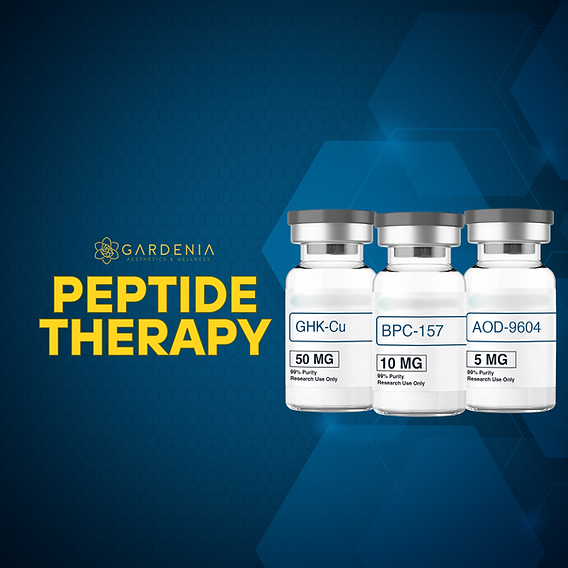
Key Research Areas for the Glow Stack Multi-pathway tissue repair and regeneration signalling studies ERK1/2, VEGFR2, eNOS, actin dynamics, MMP/TIMP Angiogenesis pathway research VEGF-A upregulation, vascular tube formation, endothelial cell proliferation and migration Collagen and elastin synthesis studies fibroblast activation, MMP/TIMP gene expression, ECM remodelling Keratinocyte and stem/progenitor cell migration assays in vitro Anti-apoptotic and anti-inflammatory pathway investigations Structureactivity relationship (SAR) studies across three peptide classes simultaneously Gene expression modulation GHK-Cu influence on 4,000+ tissue-repair-related genes Wound healing cascade pathway research vascular, cellular, and matrix remodelling stages What Do Studies Say About the Glow Stack Peptides

Who Should Avoid BPC-157 Individuals with the following characteristics should avoid BPC-157 outside research contexts: Active cancer diagnosis or cancer history Family history of malignancy or genetic cancer predisposition (BRCA mutations, Lynch syndrome) Pre-malignant lesions or conditions (Barretts esophagus, high-grade dysplasia) Unscreened individuals past recommended cancer screening ages Pregnant or breastfeeding women should avoid BPC-157 due to absent safety data in these populations