How Peptide Reconstitution Works Peptide reconstitution is the process of dissolving a lyophilized (freeze-dried) peptide powder into a sterile liquid solution
Serious but rare risks include pancreatitis, kidney injury, gallbladder disease, and based on animal studies a potential risk of thyroid C-cell tumors
Step 3: Customized Treatment Plan Based on your consultation and lab results, our medical team designs a peptide protocol specifically for you
Developed to target the cytosolic enzyme nicotinamide N-methyltransferase (NNMT), 5-Amino-1MQ serves as a highly specialized molecular probe designed to study the regulation of energy homeostasis, macromolecular metabolism, and epigenetic signaling networks within mammalian tissue models, particularly white adipose tissue (WAT)
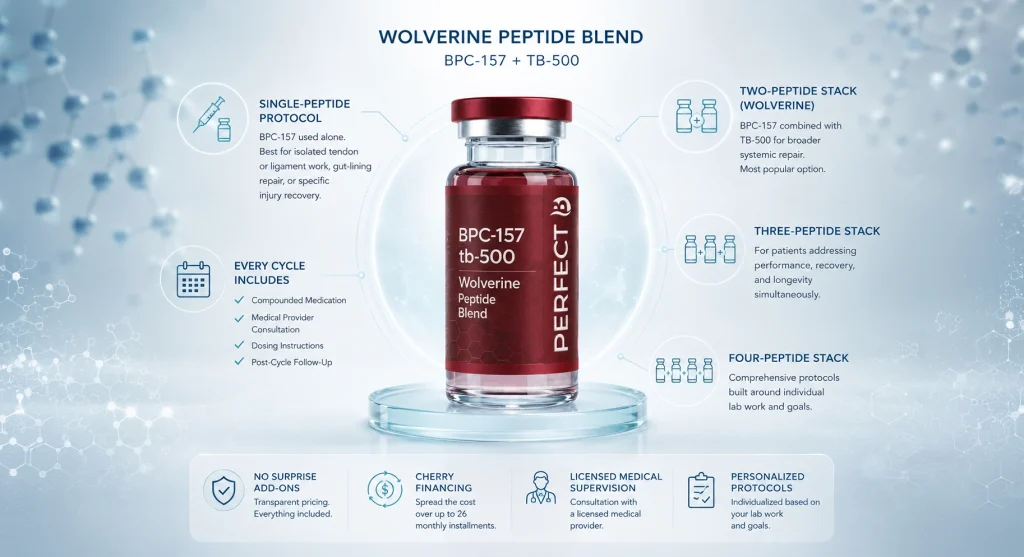
Because of this, it is often used for joint, tendon, and muscle recovery