Promoting new blood vessel growth (angiogenesis): BPC-157 appears to stimulate the growth of new blood vessels through pathways involving VEGFR2 and nitric oxide, delivering more oxygen and nutrients to the injury site
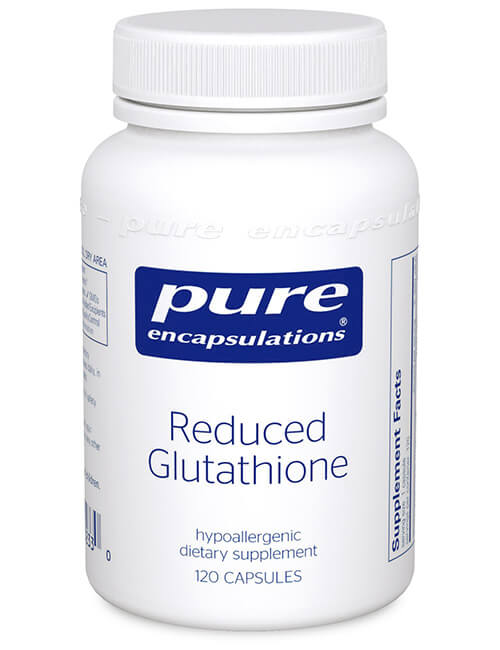
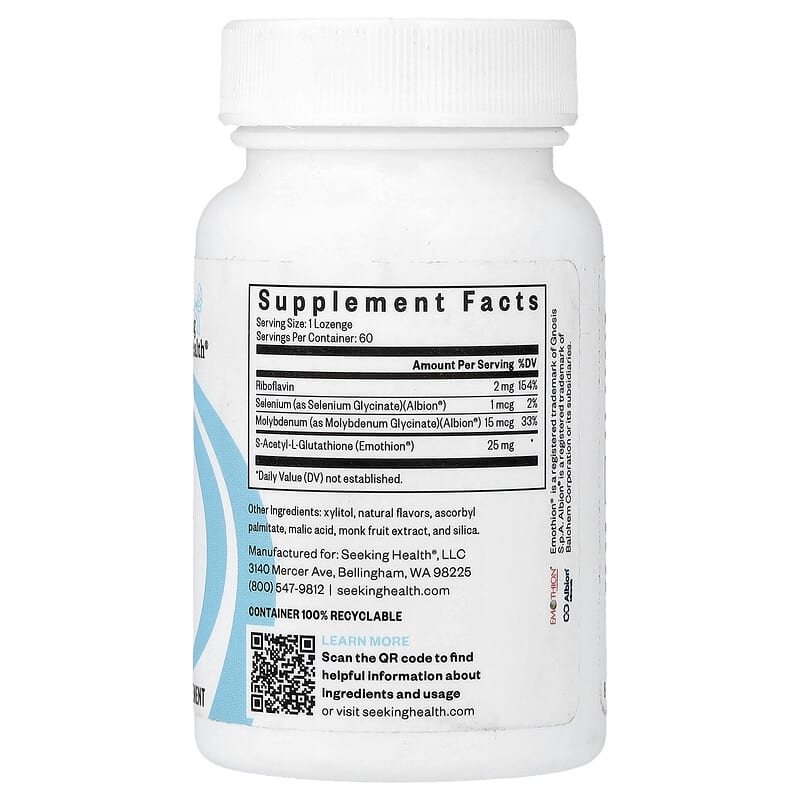
Unlike some fat-soluble vitamins that require a heavy meal for absorption, sustained-release glutathione can generally be taken with or without food
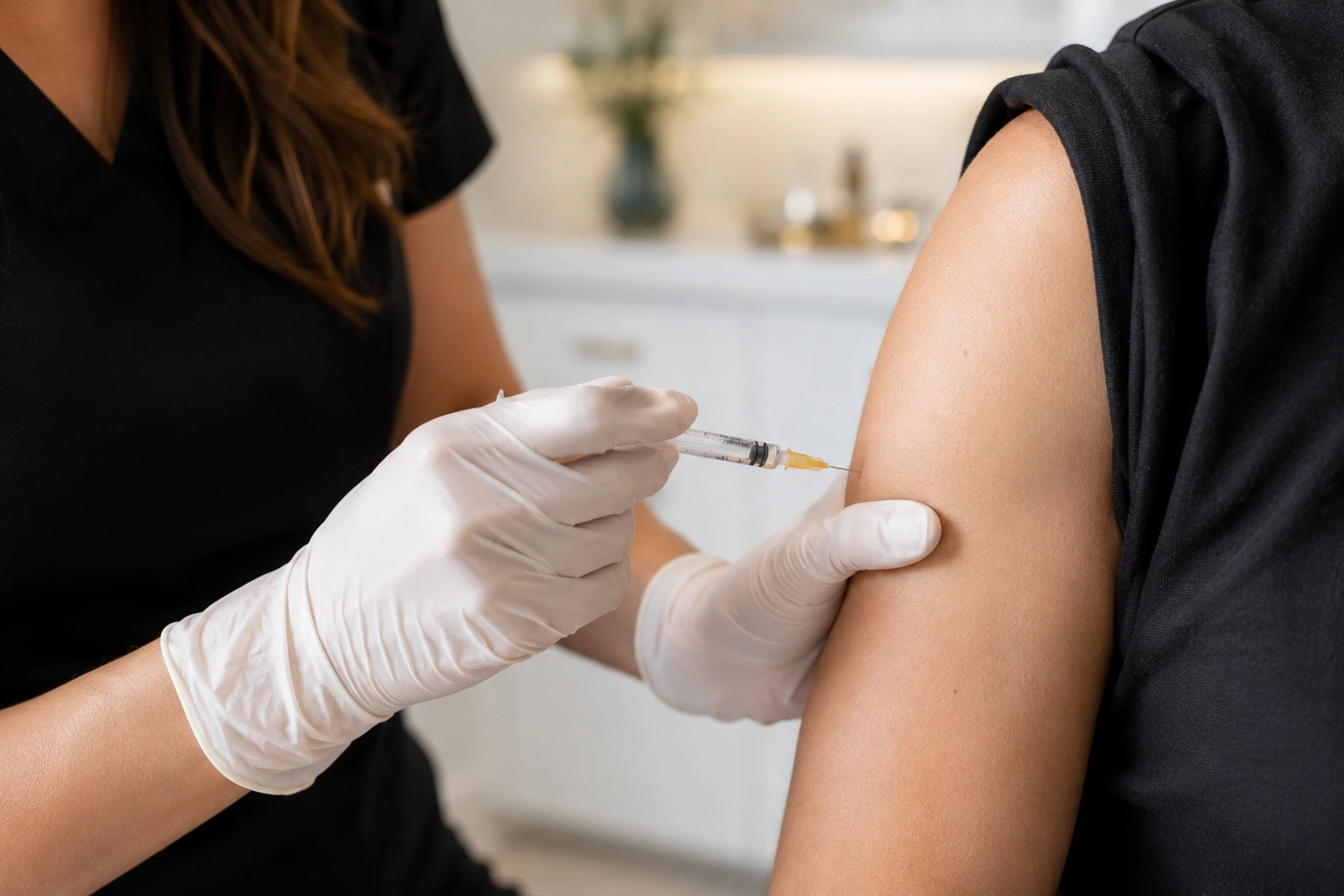
When to use IM injection Intramuscular is better when: Treating deep muscle injuries Want faster absorption Prefer muscle over fat injection Targeting specific muscle groups Most people use SubQ: SubQ is easier and works well IM not necessary for most BPC-157 uses IM more painful typically IM injection sites Best muscles: Glutes (butt, upper outer quadrant) Thighs (vastus lateralis - outer mid-thigh) Deltoids (shoulder muscle - advanced) Site selection: Choose muscle near injury if targeting specific area Rotate between muscles Requires longer needle than SubQ IM injection technique Different from SubQ: Longer needle (1-1.5 inch) 90-degree angle (straight in) Into muscle, not just under skin Inject slowly May feel more discomfort Not necessary for most BPC-157 users: SubQ works great

In tumors, persistent ROS elevation increases GSH synthesis and shifts the redox balance, creating a biochemical environment that selectively activates disulfide/diselenide linkers and metal-based GSH-depleting nanoplatforms
The study indicates this may not be because the patients aren't producing enough glutathione, it may be because glutathione is being used at a higher rate in patients with type II diabetes