Oxidized (GSSG) - The Form That Determines Everything Glutathione exists in two interconvertible forms, but only one is biologically active: Reduced Glutathione (GSH) - The Active Form: Chemical structure: -L-Glutamyl-L-cysteinylglycine with free thiol (-SH) group CAS number: 70-18-8 Molecular formula: CHNOS Molecular weight: 307.32 g/mol Biological activity: Acts as electron donor (antioxidant), cofactor for glutathione peroxidase Stability: Prone to oxidation (converts to GSSG in presence of oxygen, light, moisture) Price: $180-320/kg (fermentation-derived, pharmaceutical grade) Oxidized Glutathione (GSSG) - The Inactive Form: Chemical structure: Two GSH molecules linked by disulfide bond (no free thiol) CAS number: 27025-41-8 Molecular formula: CHNOS Molecular weight: 612.63 g/mol Biological activity: Must be reduced back to GSH by glutathione reductase (requires NADPH) Stability: More stable than GSH (doesn't oxidize further) Price: $120-180/kg (often sold deceptively as "glutathione") The deceptive practice: Many suppliers sell GSSG (or GSH that has oxidized to GSSG during storage) as "glutathione" without specifying the form
Metabolic side effects : Can raise cholesterol and blood sugar, potentially worsening heart disease risk if unmanaged
Chemical Stability Acetyl-L-carnitine is stable in neutral to acidic aqueous solutions (pH below 9) but degrades rapidly at alkaline pH values greater than 9, with significant loss of integrity observed after short exposure times at room temperature [5]
First, it possesses an arginine instead of a glutamic acid at the third position in its amino acid sequence
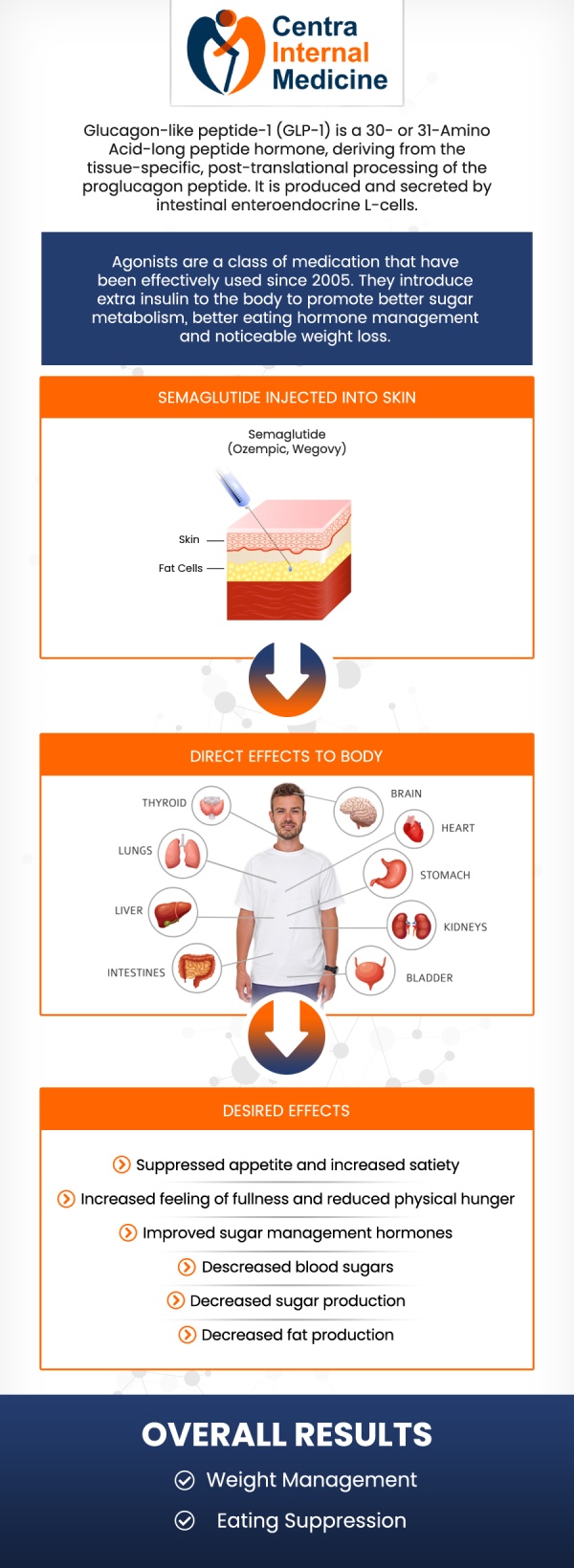
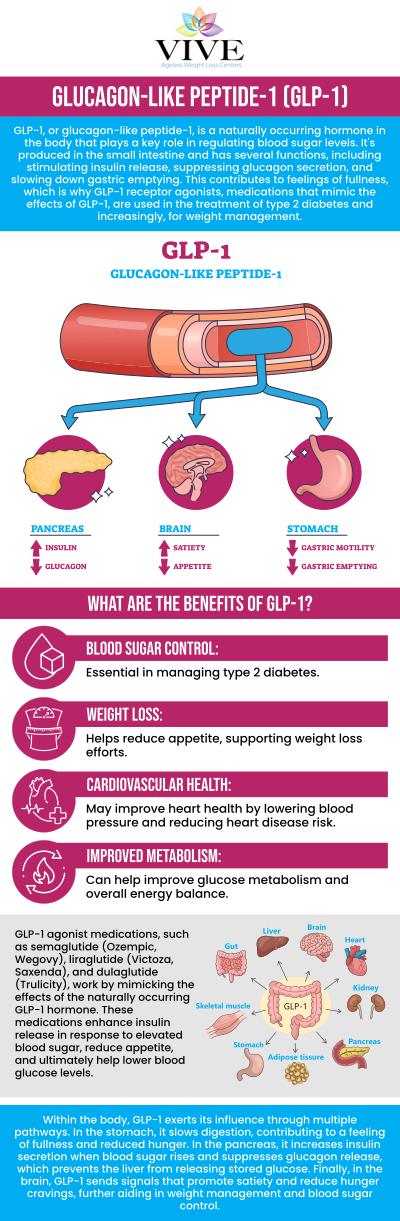
When you receive GLP-1 injections, the medication activates specific receptors in your brain and digestive system, resulting in increased feelings of fullness and satisfaction after eating