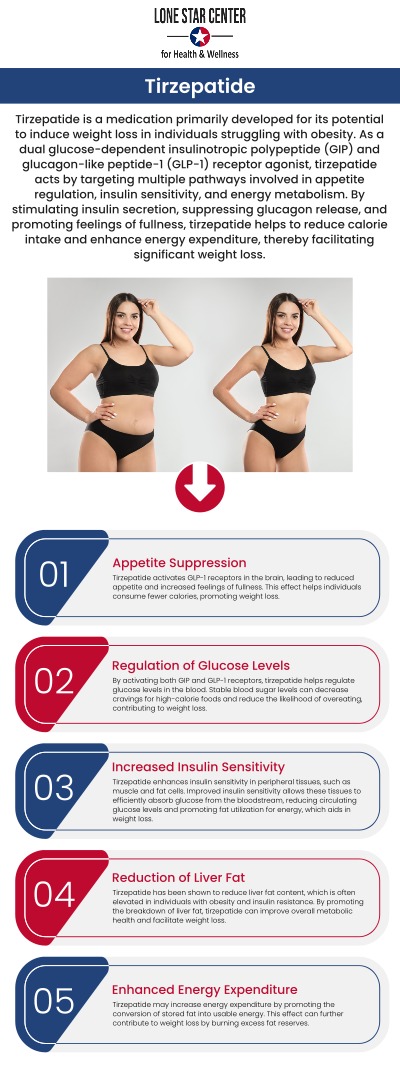
By activating these receptors, tirzepatide: Enhances glucose-dependent insulin secretion from pancreatic beta cells, reducing blood glucose levels without causing hypoglycaemia when glucose levels are normal (though risk increases when used with insulin or sulfonylureas) Suppresses glucagon release from pancreatic alpha cells, further improving glycaemic control Slows gastric emptying , which moderates postprandial glucose excursions, though this effect may diminish over time due to tachyphylaxis Reduces appetite and food intake through central nervous system pathways, contributing to significant weight loss Tirzepatide is administered once weekly via subcutaneous injection, with doses typically titrated from 2
But within that delicate, freeze-dried cake lies a formidable research tool: Insulin-like Growth Factor 1 Long Arginine 3, or IGF-1 LR3
Prog Biophys Mol Biol 107: 236-247, 2011
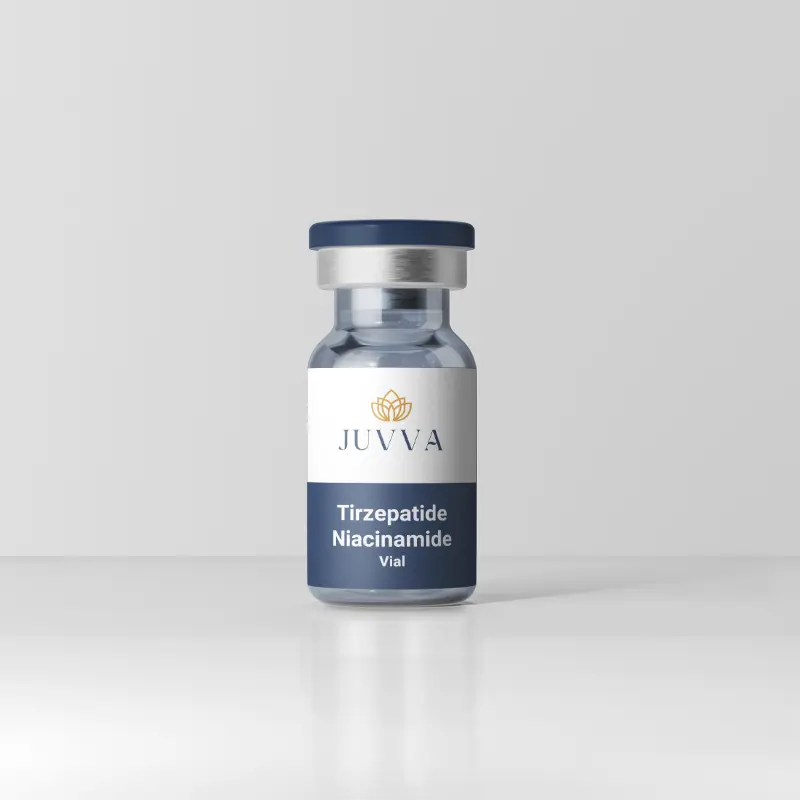
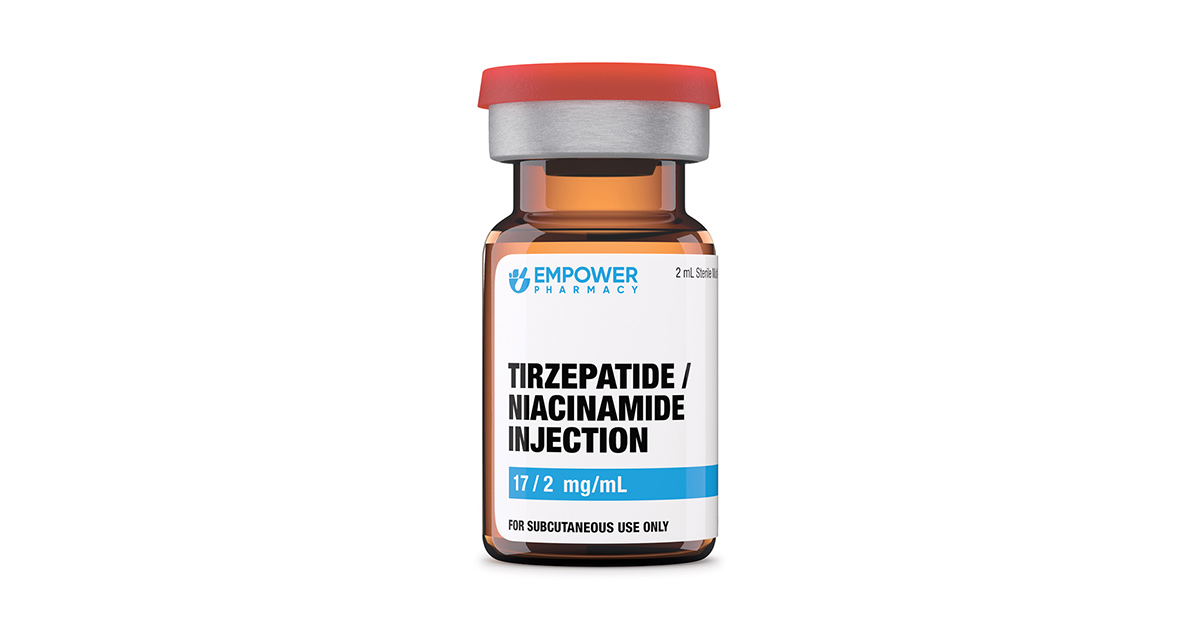
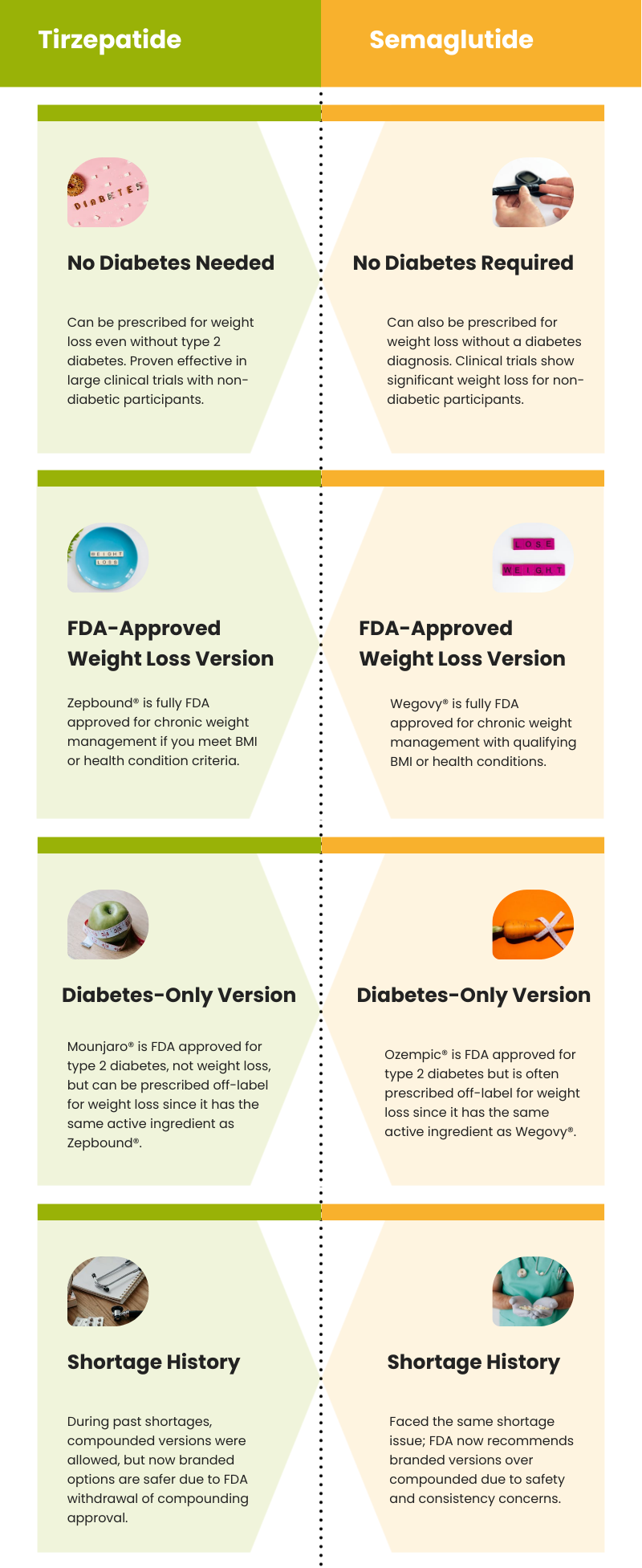
Compounded versions are not FDA-approved but they are made by licensed 503(A) compounding pharmacies when there's a clinical need and supply limitations
Research has shown that taking different medications with the same mechanism of action can significantly increase the risk of side effects