Early signs of mild dehydration include: Thirst and dry mouth Dark yellow or amber-colored urine healthy hydration typically produces pale yellow urine Decreased urination frequency or volume Fatigue and reduced energy levels often attributed to medication but may reflect dehydration Headaches particularly if new or worsening since starting therapy Dry skin and lips More concerning signs of moderate dehydration warrant prompt medical attention: Dizziness or lightheadedness , especially when standing (orthostatic symptoms) Rapid heartbeat or palpitations Confusion or difficulty concentrating Dry mucous membranes (mouth, eyes) Severe constipation unresponsive to usual measures Muscle cramps or weakness Patients with diabetes should be particularly vigilant, as dehydration can affect blood glucose readings and may contribute to hyperglycemic hyperosmolar state (HHS) in type 2 diabetes
About 40% of adults in the U.S
51-OR: a phase 2, randomized, double-blind, placebo-controlled, dose-finding study of BI 456906 in people with overweight/obesity
Following optic nerve injury, ferroptosis emerges as a significant mode of cell death for RGCs ( 2.6 Diabetic retinopathy DR is one of the most common microvascular complications of diabetes, which is a series of fundus diseases caused by retinal microvascular leakage and occlusion caused by chronic progressive diabetes
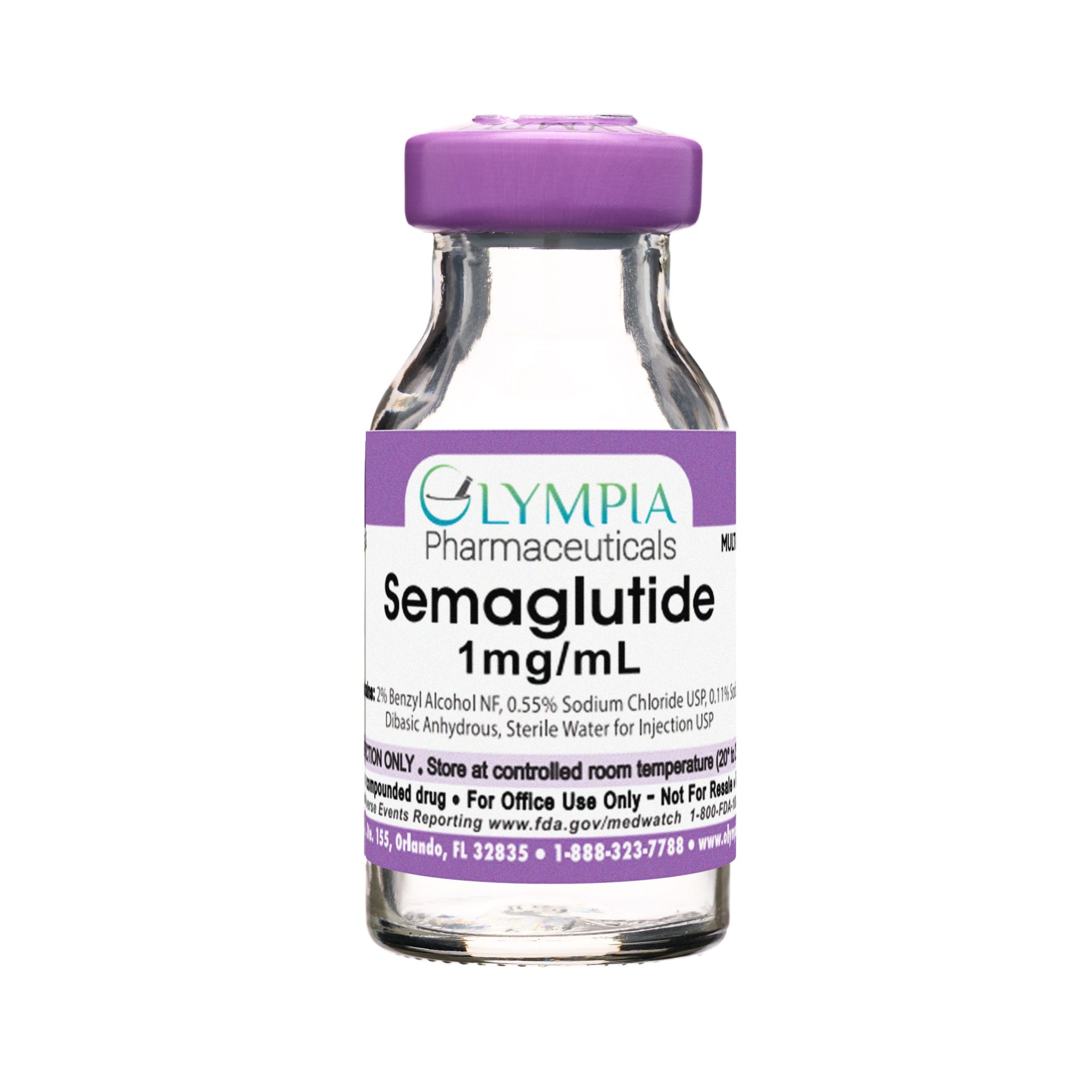
Always read the label on the vial before entering data