In this regard, several studies generally attributed the anti-diabetic potential of PPs to their capability to reduce blood glucose level, improve insulin sensitivity and secretion, alleviate oxidative/nitrosative stress, inhibit carbohydrate digestive enzymes, alleviate -cells apoptosis, ameliorated lipogenesis, alleviate glucogenolysis and gluconeogenesis, up- and down-regulate of DM-associated genes, and modulate signaling pathways (NF-B, ERK, PPAR, AMPK, cytokines, protein tyrosine phosphatases, glucose transporter receptors, hepatic enzymes, tyrosine kinases, insulin receptors) (403406)
A randomized, placebo-controlled trial of emricasan in patients with NASH and F1-F3 fibrosis
Additionally, when succinyl-CoA is converted to succinate by succinate thiokinase, one molecule of GTP is generated, which can be readily converted to ATP by nucleoside-diphosphate kinase (NDPK)
Review Retention Strategies Patient dropout due to side effects is the primary cause of program failure
Mapping the physical and functional interactions between the tumor suppressors p53 and BRCA2


/https://chiaki.vn/upload/news/2023/11/uong-glutathione-bao-lau-thi-trang-co-nen-uong-glutathione-khong-20112023153418.jpg)
![Giải đáp] Uống glutathione bao lâu thì trắng?](https://file.hstatic.net/200000713511/article/blog.__3__bfc3cf0302514b139e19f870edb3c362.jpg)


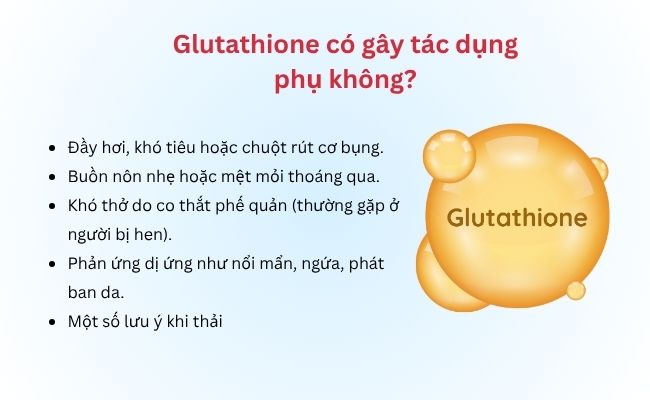
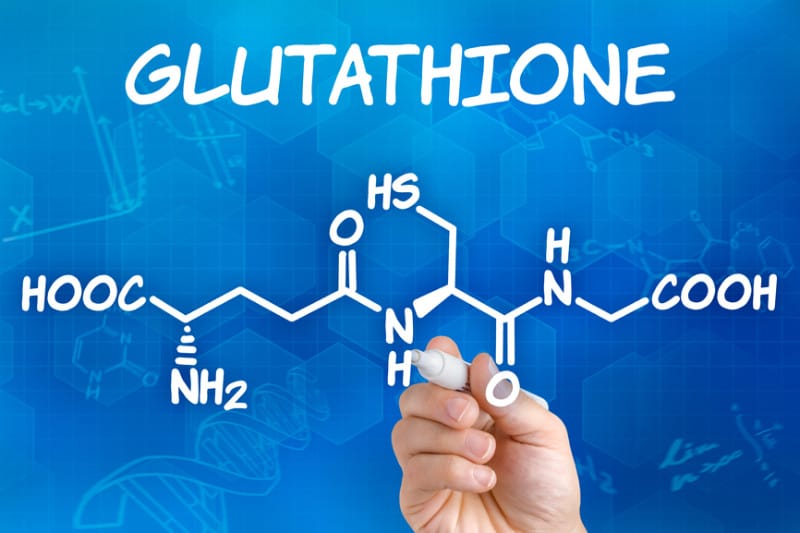



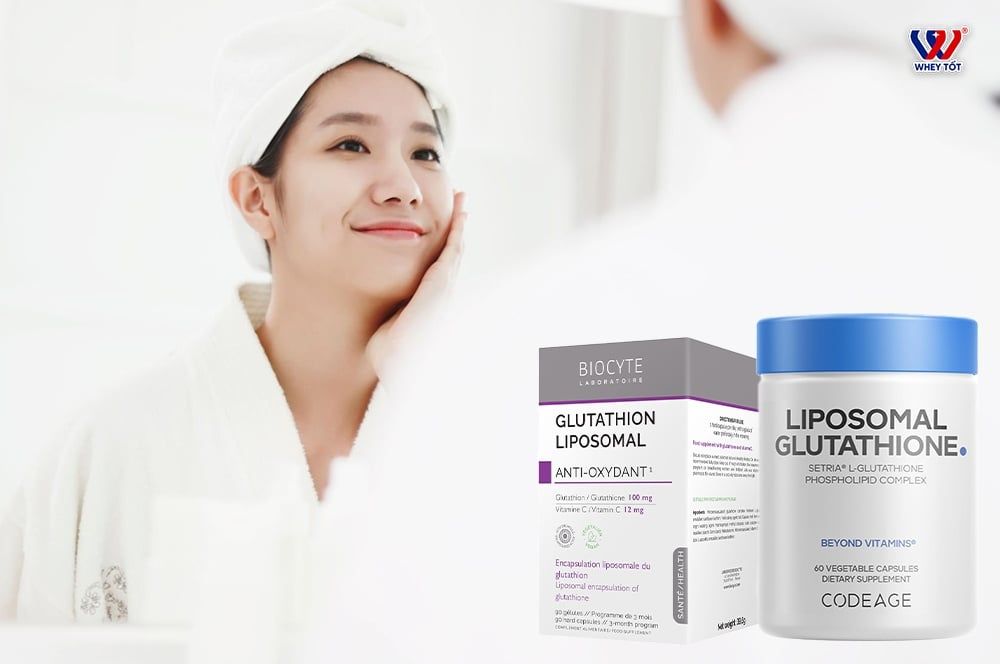

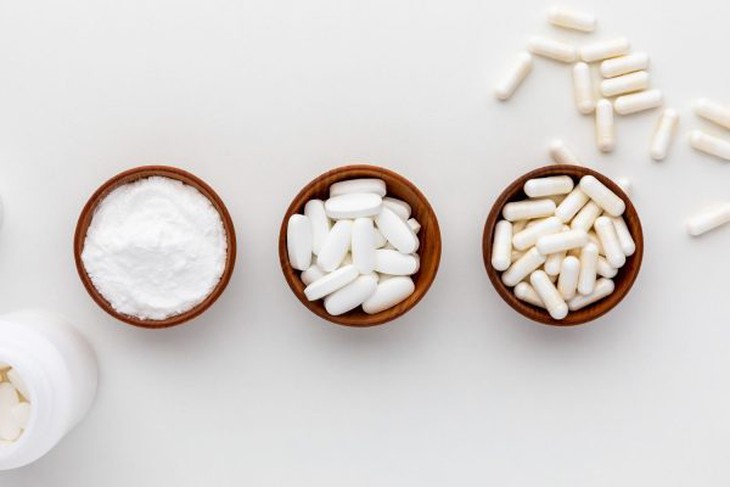
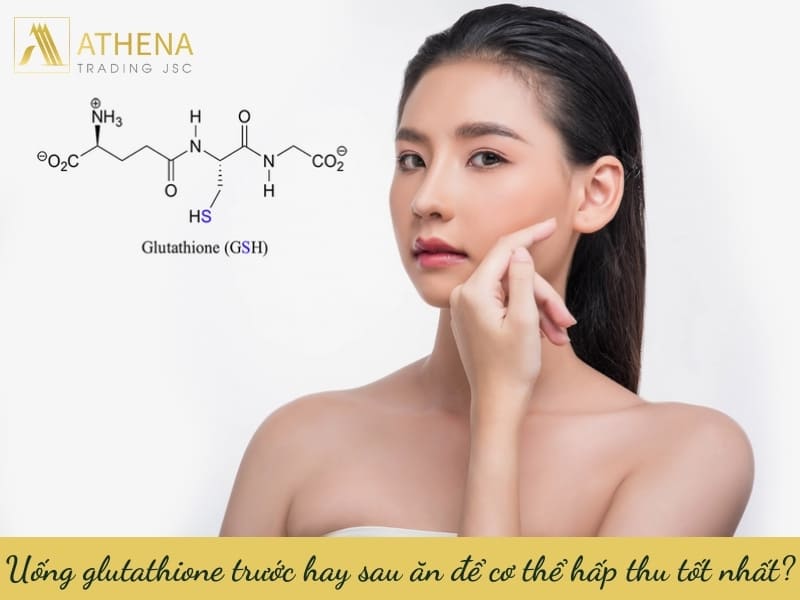
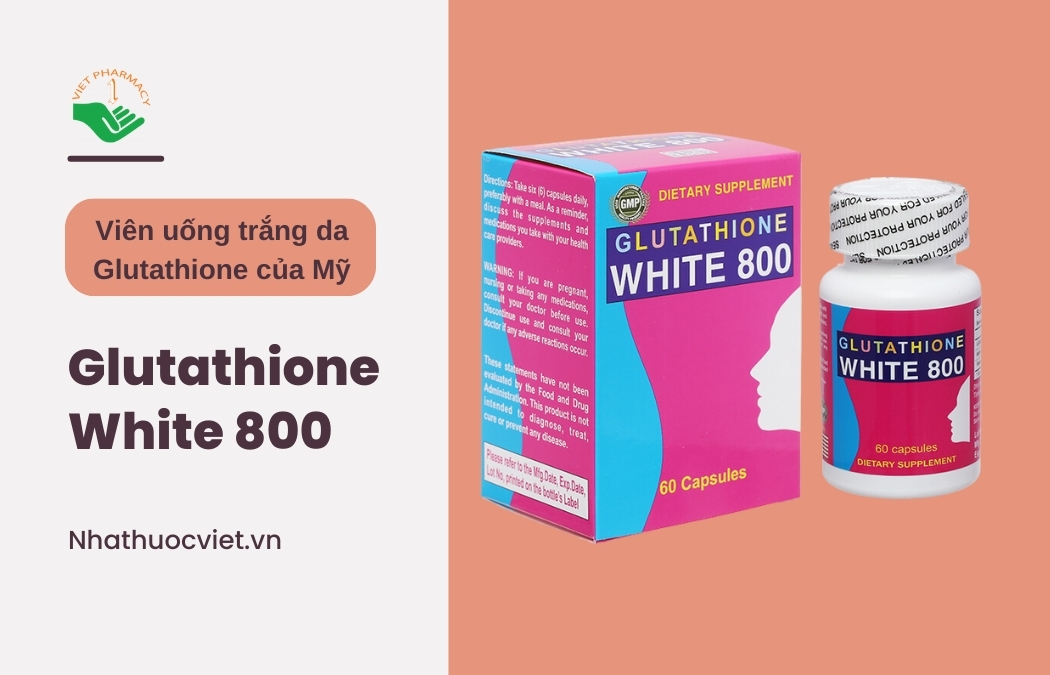
![Uống Glutathione Bao Lâu Thì Trắng? [GIẢI ĐÁP CHUYÊN GIA]](https://athenatrading.vn/wp-content/uploads/2024/07/uong-glutathione-bao-lau-thi-trang-4.jpg)