Some users prefer freezer storage at -20C for maximum long-term stability, which can extend shelf life up to 3 years for high-quality retatrutide peptide powder
Well help you improve your metabolism, restore your hunger-coping mechanisms, and reprogram your body and mind to be successful and healthy
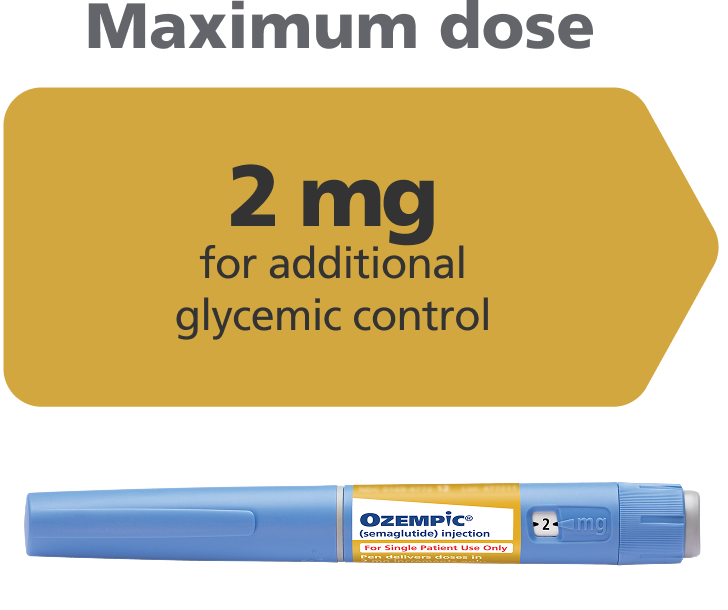
Patients using semaglutide for diabetes who also seek weight loss can discuss with their provider whether pursuing higher doses is appropriate for their specific situation
Now that insulin prices are being controlled in the U.S., both companies are focused on the new source of revenue from the GLP-1 market

Common Side Effects (Both Medications): Gastrointestinal Side Effects (Most Common): These typically occur when starting treatment or increasing doses, and often improve over time: Nausea: Most frequent side effect for both medications Semaglutide: 44% of participants in clinical trials Tirzepatide: 30-37% depending on dose Usually mild to moderate Most common in weeks 1-8, improves with continued use Diarrhea: Semaglutide: 30% of participants Tirzepatide: 19-23% depending on dose Often resolves within a few weeks Staying hydrated helps manage symptoms Constipation: Semaglutide: 24% of participants Tirzepatide: 10-17% depending on dose Can alternate with diarrhea Fiber and hydration help Vomiting: Semaglutide: 24% of participants Tirzepatide: 9-17% depending on dose More common at higher doses May require dose reduction Abdominal Pain: Semaglutide: 20% of participants Tirzepatide: 8-11% depending on dose Usually mild, related to slower stomach emptying Other Common Side Effects: Appetite Changes: Decreased appetite (desired effect) Food aversions or taste changes Reduced interest in previously enjoyed foods Early satiety (feeling full quickly) Fatigue: Semaglutide: 11% of participants Tirzepatide: Similar rates Often related to reduced calorie intake May improve as body adjusts Injection Site Reactions: Mild redness, swelling, or itching at injection site Usually resolves within a few days Rotating injection sites helps minimize Headache: Occurs in 10-14% of participants with both medications Usually mild and temporary Often related to dehydration Side Effect Comparison: Why Tirzepatide May Have Fewer GI Side Effects: Despite being more potent, tirzepatide appears to cause slightly less nausea and GI distress
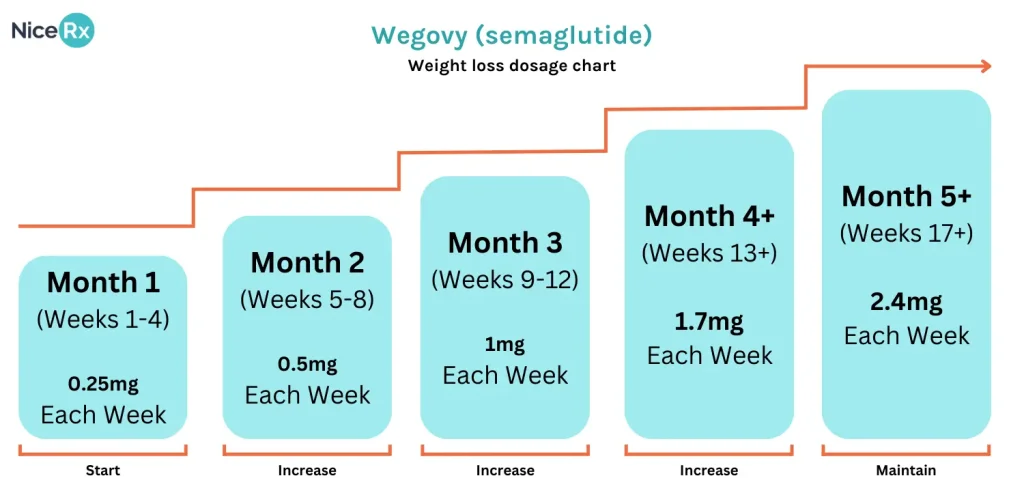


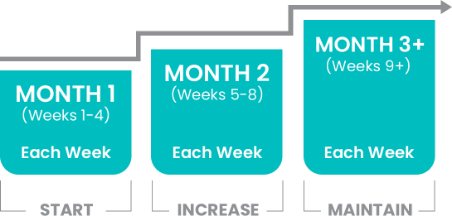



:max_bytes(150000):strip_icc()/26Q1_WL_oral-sema_newsroom_1920x1008-1dfa18327b724266bed50c36ab0b9d49.jpg)