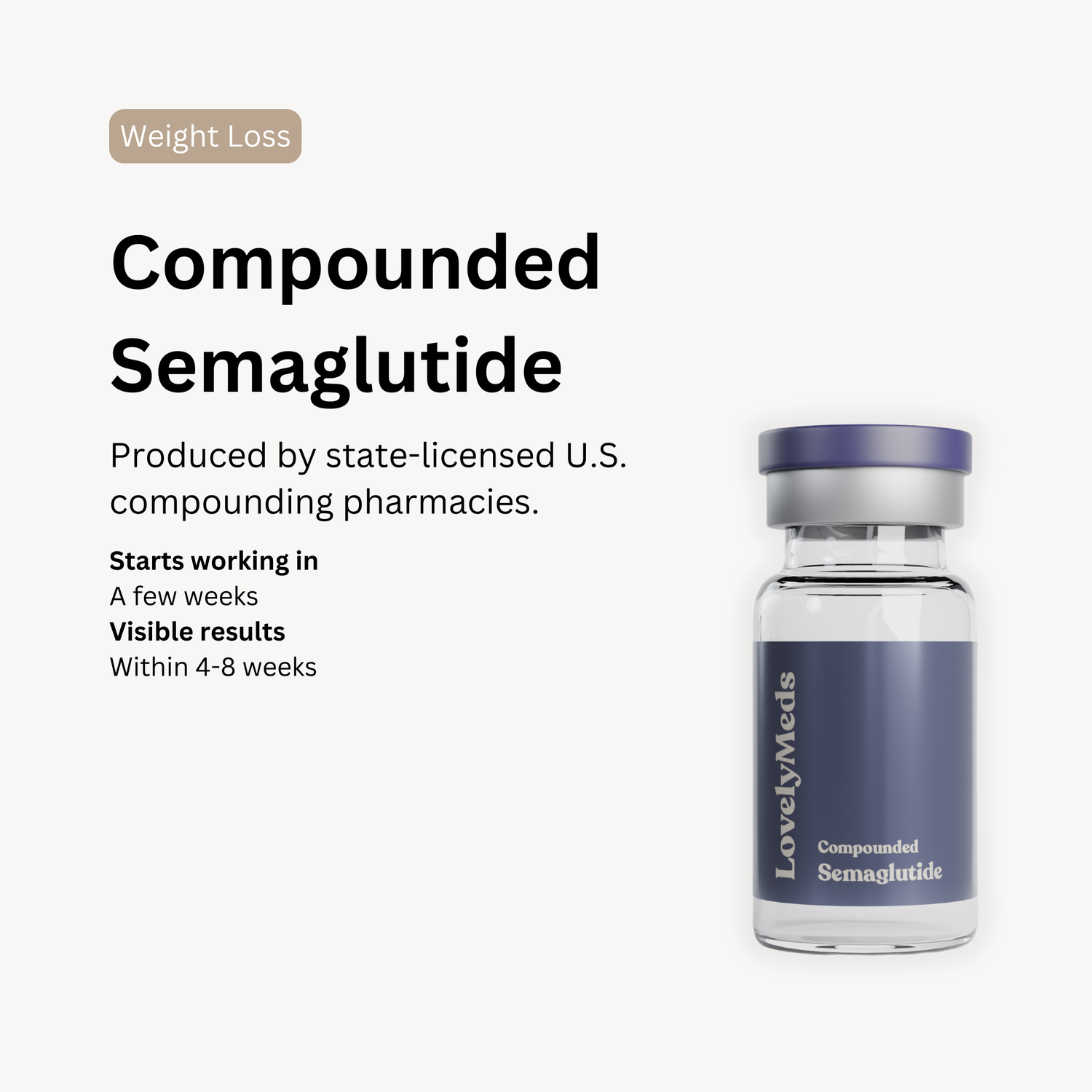
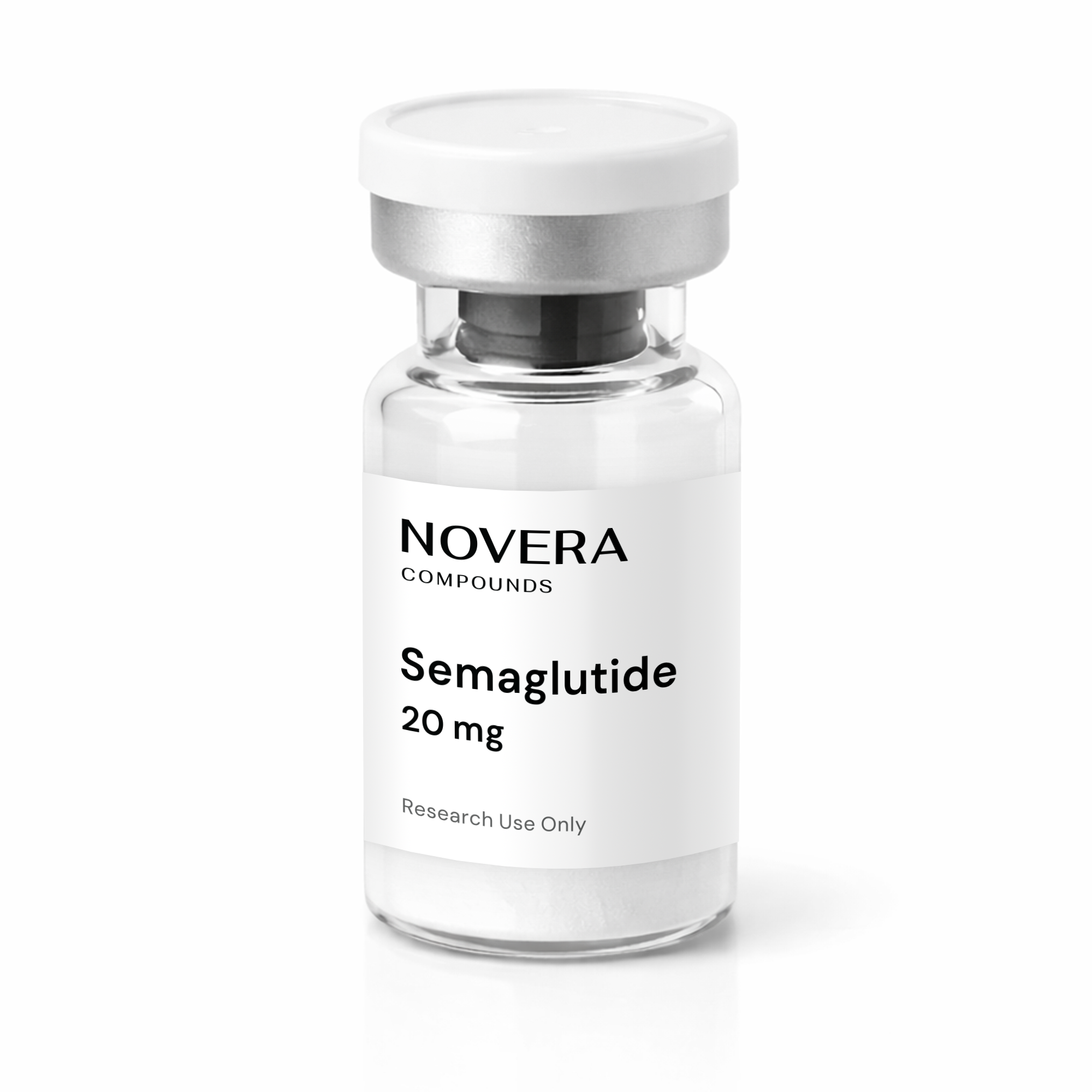
If you see these patterns in any GLP-1 telehealth platform's marketing, they are the exact claims FDA has called misleading: Calling compounded semaglutide or tirzepatide a "generic" version of Ozempic or Wegovy - compounded drugs are not FDA-approved generics Implying FDA approved or reviewed the compounded product for safety, effectiveness, or quality - the FDA hasn't Claiming the pharmacy is "FDA-approved" or "FDA-licensed" - FDA registers facilities but does not "approve" or "license" compounding pharmacies in the way that phrase implies Branding compounded medication with the telehealth company's name in a way that suggests the telehealth company is the compounder - they're not Any messaging that implies the compounded product is "clinically proven" to perform the same as the FDA-approved branded drug This article avoids all of those patterns
To sum up, it should be noted that selenium has a number of properties that are potentially important in the prevention of many diseases
Ozempic (semaglutide) EPAR Product Information EMA
What are the potential advantages and challenges of transitioning from earlier GLP-1 receptor agonist formulations requiring frequent dosing to newer options like Dulaglutide, Semaglutide, and oral formulations
High protein foods to prioritize include chicken breast at 31 grams per 4 ounces, Greek yogurt at 17 grams per cup, eggs at 6 grams each, salmon at 25 grams per 4 ounces, cottage cheese at 14 grams per half cup, and lean beef at 26 grams per 4 ounces











.webp)