The present review examined the mechanistic pathways by which ferroptosis contributes to AD, the regulatory roles of vitamin E, selenium, ferrostatin1, Nacetylcysteine and curcumin, and their potential as therapeutic agents to mitigate neurodegeneration
Modulation of endothelial function by TMAO, a gut microbiota-derived metabolite
MST2 methylation by PRMT5 inhibits Hippo signaling and promotes pancreatic cancer progression
These findings are consistent with previous studies suggesting that Mel and GSH may prevent structural damage in ovarian histoarchitecture by suppressing oxidative stress.10,11,15-18,21,22 Both Mel and GSH are key endogenous antioxidant molecules that neutralize free radicals and preserve tissue integrity by limiting oxidative stress-induced cellular damage.30,31 It has been previously reported that platinum-based chemotherapeutic agents such as carboplatin increase intracellular ROS production, thereby triggering lipid peroxidation (as indicated by elevated MDA levels), inflammatory responses (increased TNF- and IL-6), cellular damage, and apoptosis.2,7,8 In the current study, the increased immunoreactivity of Caspase-3 and NF-B, along with significantly elevated levels of TNF- and IL-6 in the CARB group, indicate that CARB may have simultaneously activated both apoptotic and inflammatory pathways
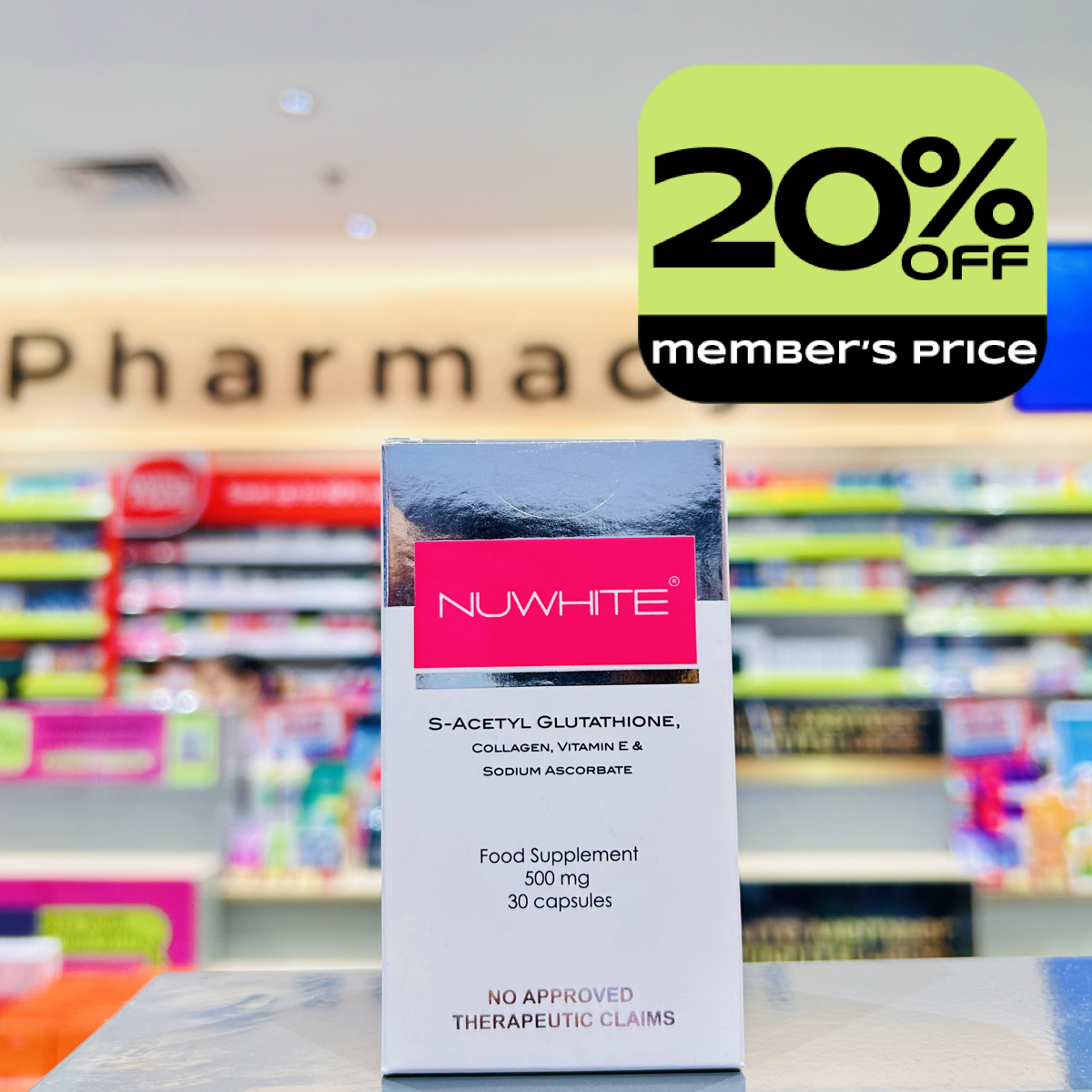
In a 2017 study in Clinical, Cosmetic and Investigational Dermatology , supplementing with 250 milligrams of glutathione a day tended to increase skin elasticity compared with controls