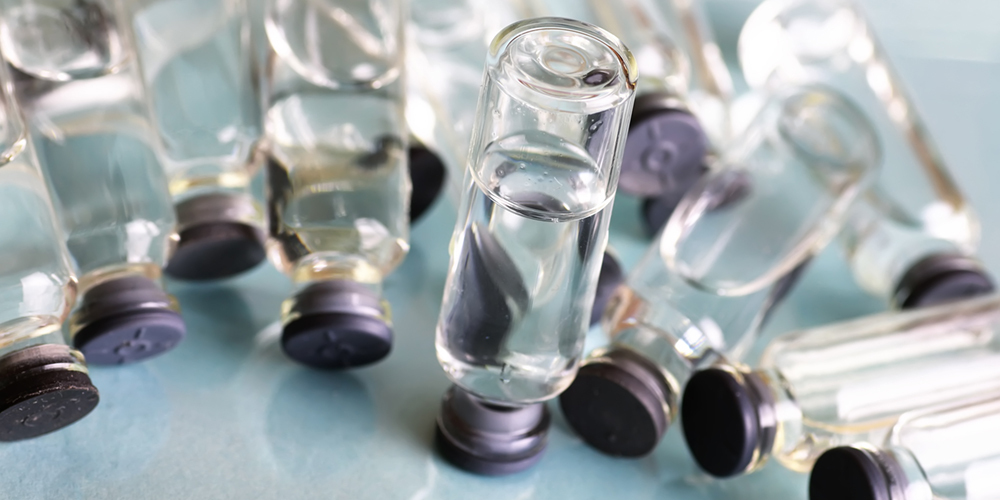
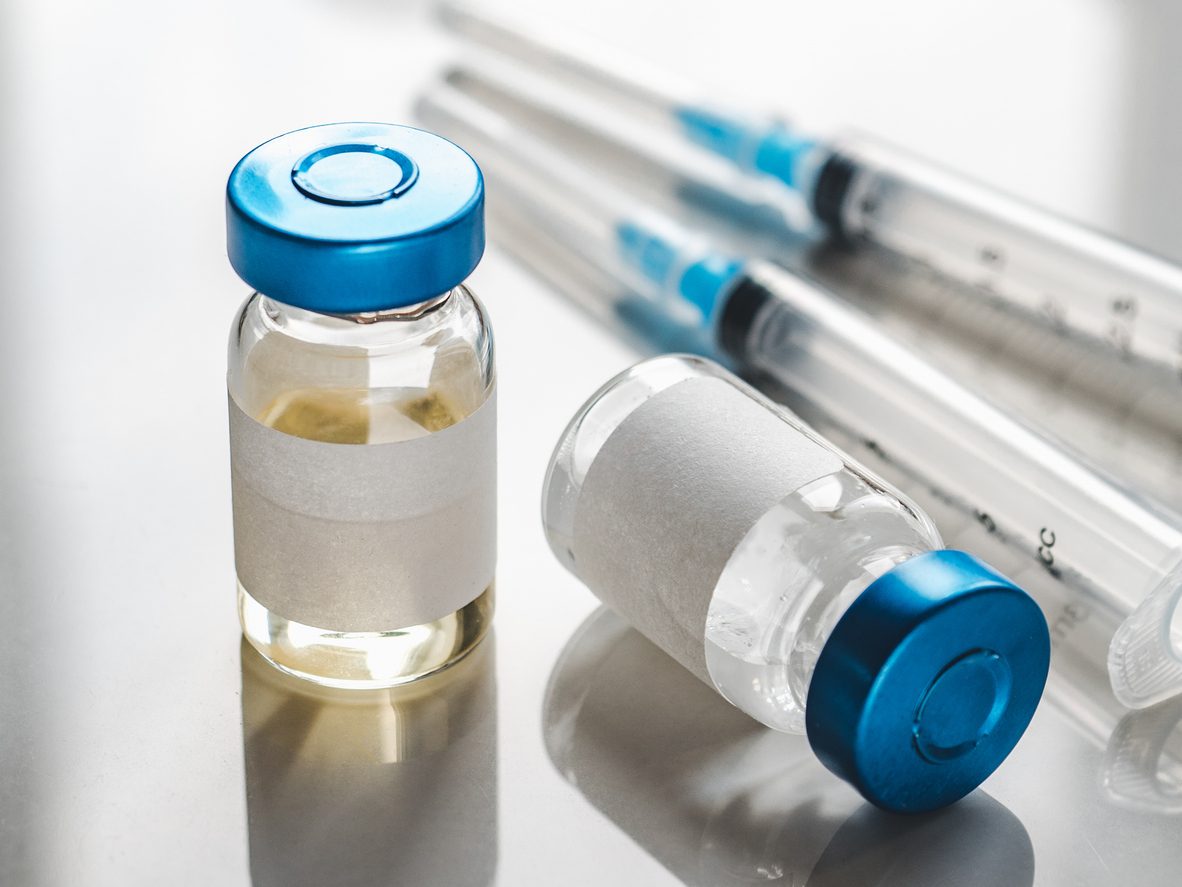
refrigeration or freezing is the minimum standard for meaningful shelf life
, !: Simply dissolve one glutathione effervescent tablet in 200ml of water and drink it after breakfast

Acetaminophen in doses above 2g/day (saturates sulfation and glucuronidation, depletes glutathione catastrophically) R Alcohol (depletes glutathione, NAD+, SAM-e, and directly damages hepatocytes) R Charcoal-grilled meats (heterocyclic amines that undergo bioactivation via sulfation and acetylation, generating DNA-reactive intermediates) R Chronic NSAID use (competes for glucuronidation and amino acid conjugation pathways) Excess fructose (depletes ATP and drives uric acid production, impairing energy-dependent conjugation) R Glyphosate residues on non-organic produce (disrupts glycine metabolism and chelates manganese) R High-dose turmeric or quercetin without cycling (both inhibit SULT1A1 and can paradoxically impair sulfation at high sustained doses) R Processed foods with benzoate preservatives (benzoic acid consumes glycine through conjugation, depleting the glycine pool for other Phase II reactions) R Proton pump inhibitors chronically (reduce magnesium absorption, impair glucuronidation) R Testing These tests can help identify which conjugation pathways are impaired and what is contributing to the dysfunction

Convex describes shapes that curve outward, like a football (or a rugby ball)
Glutathione is composed of the three amino acids: N-Acetyl Cysteine, L-Glutamine, and L-Glycine